Disclosure: This guide contains affiliate links. If you purchase through our links, we may earn a small commission at no extra cost to you.
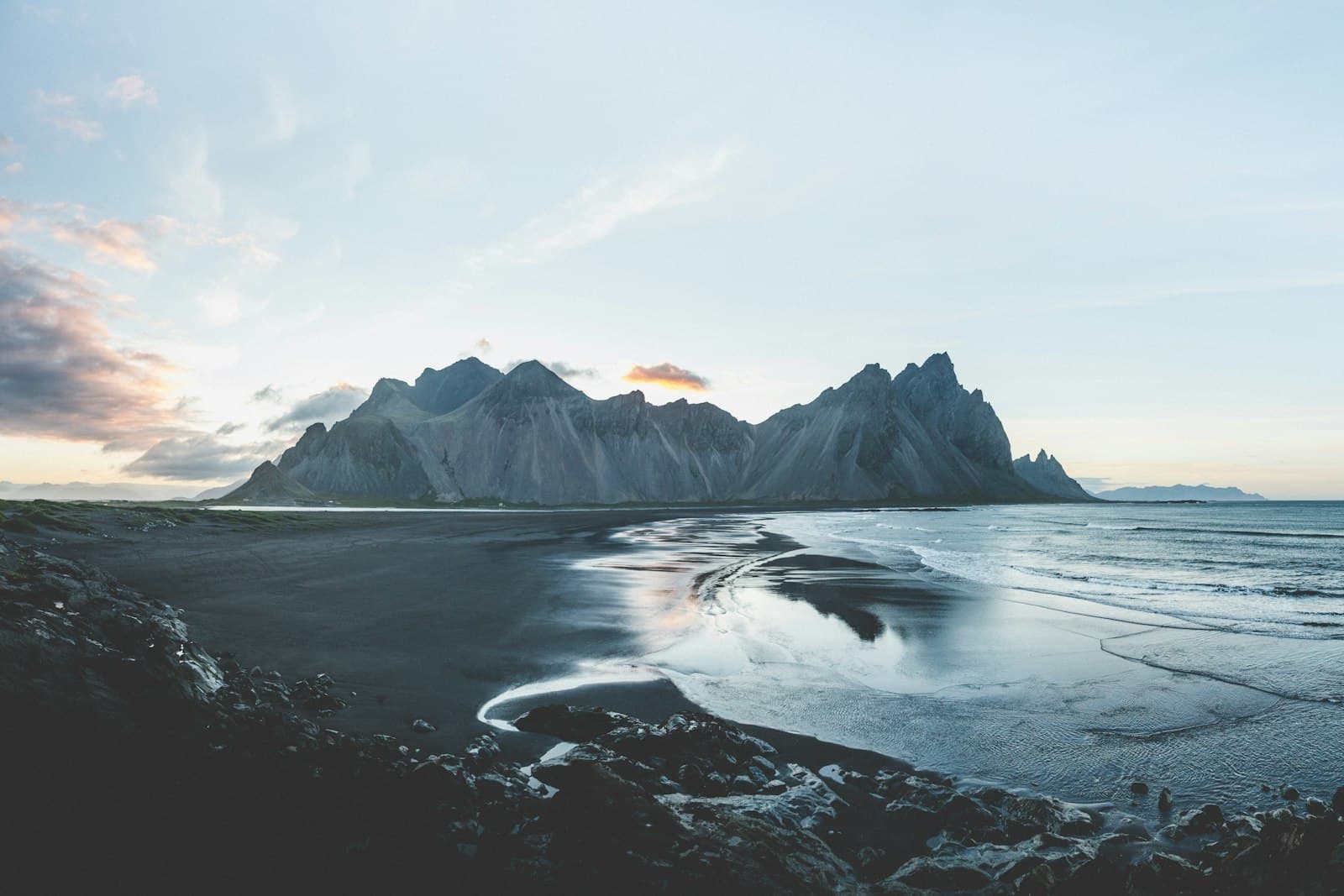
Iceland packs an extraordinary amount of natural drama into a country smaller than Kentucky. Erupting volcanoes, massive glaciers, thundering waterfalls, black sand beaches, and the Northern Lights — it's a landscape that feels genuinely otherworldly.
This guide covers the best things to do in Iceland, from the must-see highlights to off-the-beaten-path adventures, plus practical tips on when to visit, how to budget, and how to stay connected while you explore.
1. Drive the Golden Circle
The Golden Circle is Iceland's most popular day trip — a roughly 300 km (190 mi) loop from Reykjavik that hits three iconic sites in one day. You can do it as a guided tour or rent a car and go at your own pace.
The three stops:
- Þingvellir (Thingvellir) National Park — where the North American and Eurasian tectonic plates visibly drift apart. Also a UNESCO World Heritage Site where Iceland's parliament was founded in 930 AD.
- Geysir Geothermal Area — home to Strokkur, a geyser that erupts every 5–10 minutes, shooting boiling water up to 30 meters (100 ft) into the air.
- Gullfoss (Golden Falls) — a massive two-tiered waterfall that plunges 32 meters into a rugged canyon. The spray creates rainbows on sunny days.
Tip: Start early (before 9 AM) or go in the late afternoon to beat the tour bus crowds. The entire loop takes 6–8 hours with stops.
2. Explore Reykjavik
Iceland's capital is compact, walkable, and full of character. Most visitors spend 1–2 days here before heading out to the countryside.
Highlights:
- Hallgrímskirkja — the iconic church that dominates the Reykjavik skyline. Take the elevator to the top for panoramic views of the city and surrounding mountains.
- Harpa Concert Hall — a stunning glass building on the waterfront designed by Ólafur Elíasson. Free to walk around inside.
- Laugavegur — the main shopping and dining street with cafés, bookshops, and Icelandic design stores.
- Sun Voyager sculpture — a stainless steel sculpture on the waterfront that resembles a Viking ship.
- Old Harbor — the departure point for whale watching tours, with great seafood restaurants nearby.
3. Soak in the Blue Lagoon (or a Local Hot Spring)
The Blue Lagoon is Iceland's most famous attraction — a milky-blue geothermal spa set in a lava field between Keflavik Airport and Reykjavik. The water sits at a comfortable 37–40°C (98–104°F) year-round.
What to know:
- Book well in advance — the Blue Lagoon sells out weeks ahead, especially in summer. Tickets start around $55 USD for basic admission.
- Visit on arrival or departure — it's only 20 minutes from KEF airport, making it perfect for your first or last day.
- Budget alternative: Sky Lagoon in Reykjavik offers a similar experience at slightly lower prices with equally stunning views.
- Free option: Reykjadalur Hot Spring River (45-minute hike from Hveragerði) is a natural hot river — completely free and surrounded by steaming hillsides.
4. Chase the Northern Lights
Seeing the aurora borealis is a bucket-list experience, and Iceland is one of the best places on Earth to see them. The key ingredients: dark skies, clear weather, and solar activity.
How to maximize your chances:
- Season: September through March, with October–February being peak months.
- Timing: The strongest displays typically appear between 10 PM and 2 AM.
- Location: Drive at least 30 minutes outside Reykjavik to escape light pollution. The Snæfellsnes Peninsula and Thingvellir are popular spots.
- Forecast: Check vedur.is (Icelandic Met Office) for the aurora forecast — it shows cloud cover and aurora probability on a 0–9 scale.
- Patience: Even during peak season, you may need 2–3 nights of trying. Don't plan your entire trip around one night.
5. Explore the South Coast & Waterfalls
Iceland's South Coast packs more jaw-dropping scenery into a single day-drive than almost anywhere else on the planet. Most of these stops are along Route 1 between Reykjavik and Vík.
Must-see stops:
- Seljalandsfoss — a 60-meter waterfall you can walk behind (bring a waterproof jacket).
- Skógafoss — an iconic 60-meter waterfall with stairs to the top for panoramic views. Rainbows are common on sunny mornings.
- Reynisfjara Black Sand Beach — dramatic basalt columns, crashing waves, and jet-black sand near Vík. Watch for sneaker waves — they're genuinely dangerous.
- Dyrhólaey — a massive rock arch and lighthouse perch with views over the black sand coastline. Great for puffin spotting from May to August.
- Jökulsárlón Glacier Lagoon — icebergs calving off Vatnajökull glacier and floating toward the ocean. The nearby Diamond Beach has chunks of ice scattered on black sand.
6. Go on a Glacier Hike or Ice Cave Tour
Iceland sits on top of Europe's largest glacier (Vatnajökull), and walking on one is an experience you won't forget. Glacier hikes are available year-round, while natural ice cave tours run from November through March.
Options:
- Sólheimajökull — the most accessible glacier from Reykjavik (2.5 hours). Beginner-friendly glacier walks start around $85 USD.
- Skaftafell (Vatnajökull National Park) — longer hikes with more dramatic ice formations. A great base for both glacier hikes and ice cave tours.
- Ice caves — natural blue ice caves form inside glaciers each winter. Tours book out quickly — reserve at least a month ahead for November–March visits.
Important: Never walk on a glacier without a certified guide and proper equipment (crampons, ice axes, helmets). Glaciers have hidden crevasses that are extremely dangerous.
7. Go Whale Watching
Iceland's nutrient-rich waters attract over 20 species of whales and dolphins. Humpback whales, minke whales, and white-beaked dolphins are the most commonly spotted.
Where to go:
- Húsavík (North Iceland) — the whale watching capital of Iceland with the highest sighting rates (98%+ in summer). Worth the trip if you're driving the Ring Road.
- Reykjavik — convenient departures from the Old Harbor. Slightly lower sighting rates than Húsavík but still very good from April to October.
- Season: April through October for the best sightings. Tours run year-round from Reykjavik but winter sightings are less reliable.
- Expect to pay $80–100 USD per person for a 3-hour tour.
8. Drive the Ring Road
Route 1 (the Ring Road) circles the entire island — about 1,322 km (821 mi) of the most scenic driving you'll ever do. Most travelers take 7–10 days to complete the full loop, staying in guesthouses, farms, and small-town hotels along the way.
Ring Road highlights by region:
- South: Seljalandsfoss, Skógafoss, Reynisfjara, Jökulsárlón, Skaftafell.
- East: Dramatic fjords, the remote town of Seyðisfjörður (famous for its rainbow street), and Lagarfljót lake.
- North: Akureyri (Iceland's second city), Godafoss waterfall, Mývatn geothermal area, Húsavík for whale watching, and Dettifoss — Europe's most powerful waterfall.
- West: Snæfellsnes Peninsula (called 'Iceland in miniature') with Kirkjufell mountain, Snæfellsjökull glacier, and charming fishing villages.
Driving tips: The Ring Road is paved and well-maintained, but single-lane bridges, sudden weather changes, and strong crosswinds are common. Always check road.is before driving and carry a charged phone with offline maps downloaded.
9. Snorkel (or Dive) at Silfra
Silfra fissure in Thingvellir National Park is one of the only places on Earth where you can swim between two tectonic plates. The glacial meltwater is filtered through lava rock for decades, resulting in crystal-clear visibility exceeding 100 meters.
What to know:
- Water temperature is 2–4°C (35–39°F) year-round — you'll wear a dry suit, so you stay surprisingly comfortable.
- Snorkeling tours start around $130 USD. Scuba diving requires dry suit certification and costs $250+.
- No swimming experience needed for snorkeling — guides provide full briefings and all equipment.
- Easily combined with a Golden Circle day trip since Silfra is inside Thingvellir National Park.
10. Venture into the Westfjords
The Westfjords are Iceland's most remote region — and arguably its most beautiful. Only about 10% of visitors make it here, which means empty roads, dramatic cliffs, and a genuine sense of wilderness. If you have the time, this is where Iceland feels truly untouched.
Highlights:
- Dynjandi — a 100-meter tiered waterfall often called the jewel of the Westfjords. Rivals any waterfall in Iceland for sheer beauty.
- Látrabjarg cliffs — Europe's westernmost point and one of the best places to see puffins up close (May–August).
- Hornstrandir Nature Reserve — a roadless peninsula accessible only by boat, popular with serious hikers.
- Rauðasandur (Red Sand Beach) — a rare reddish-gold beach that stretches for kilometers along the southern Westfjords coast.
When to Visit Iceland
Iceland is a year-round destination, but what you'll experience varies dramatically by season.
Summer (June–August)
Midnight sun (nearly 24 hours of daylight), warmest temperatures (10–15°C / 50–59°F), all roads and highlands open. Peak tourist season with highest prices. Best for the Ring Road, Westfjords, and highland F-roads.
Shoulder (May & September)
Fewer crowds, lower prices, still reasonable weather. September offers a chance at both Northern Lights and decent daylight. May has puffins arriving and wildflowers blooming.
Winter (October–April)
Northern Lights season, ice caves open (Nov–Mar), dramatic winter landscapes. Limited daylight (4–7 hours), cold temperatures, and some roads close. Best for the South Coast, Golden Circle, and Blue Lagoon.
Budget Tips for Iceland
Iceland is expensive, but there are ways to keep costs manageable without sacrificing the experience.
- Cook your own meals — grocery stores like Bónus (the pink pig logo) and Krónan are significantly cheaper than restaurants. Stock up in Reykjavik before heading to rural areas.
- Camp in summer — Iceland has excellent campgrounds ($15–20/night) and allows limited wild camping. A campervan rental combines accommodation and transportation.
- Book accommodation early — guesthouses and farm stays fill up fast in summer. Booking 2–3 months ahead can save 20–30%.
- Skip the Blue Lagoon if on a tight budget — free hot springs like Reykjadalur or Seljavallalaug offer similar experiences without the $55+ entry fee.
- Bring a reusable water bottle — Icelandic tap water is some of the cleanest in the world. No need to buy bottled water.
- Use an eSIM instead of roaming — international roaming in Iceland is expensive. A week or more of eSIM data starts under $3 and gives you data for navigation, translations, and checking weather/road conditions.
Staying Connected in Iceland
Having reliable data in Iceland isn't just about posting photos — it's a practical necessity. You'll need it for Google Maps navigation on the Ring Road, checking road conditions on road.is, monitoring the aurora forecast, and looking up weather before hikes.
International roaming in Iceland is expensive (Verizon TravelPass is $12/day, AT&T Day Pass is $12/day). A travel eSIM is the better option — plans start at $2.76 for 1 GB over 30 days, and you can set it up before you even land.
Compare eSIM Plans for Iceland
We've compared plans from Airalo, Holafly, Saily, and more — find the best data plan for your Iceland trip.
Compare Iceland eSIM PlansFrequently Asked Questions
▶How many days do you need in Iceland?
A minimum of 5 days covers the Golden Circle, Blue Lagoon, and South Coast highlights. 7–10 days lets you drive most of the Ring Road comfortably. Two weeks is ideal for adding the Westfjords or Snæfellsnes Peninsula.
▶Is Iceland expensive to visit?
Yes — Iceland is one of the most expensive countries in Europe. Budget travelers should expect $150–200/day including accommodation, food, and a rental car. Mid-range travelers typically spend $250–350/day. Cooking at grocery stores and camping can cut costs significantly.
▶Do I need a rental car in Iceland?
For the Golden Circle and Reykjavik, tours are a viable option. But for the Ring Road, South Coast, and especially the Westfjords, a rental car gives you far more flexibility. A 4WD is required for F-roads (highland interior roads) and recommended in winter.
▶When can you see the Northern Lights in Iceland?
The Northern Lights season runs from September through March, with peak viewing from October to February. You need dark skies and clear weather — check the Icelandic Met Office aurora forecast (vedur.is) for real-time predictions. Getting away from Reykjavik's light pollution dramatically improves your chances.
▶Is it safe to drive in Iceland in winter?
Winter driving requires extra caution. Roads can be icy, windstorms are common, and daylight is limited (4–5 hours in December). Always rent a 4WD, check road.is for conditions, and never drive in highland areas during winter. The Ring Road stays open but conditions change rapidly.
▶Do I need a visa for Iceland?
Iceland is part of the Schengen Area. US, Canadian, UK, and Australian citizens can visit visa-free for up to 90 days within any 180-day period. Check your nationality's specific requirements before traveling.
▶Does my phone work in Iceland?
Iceland has good 4G coverage along the Ring Road, in Reykjavik, and in most towns. Remote areas like the Highlands and parts of the Westfjords have limited or no coverage. An eSIM from a provider like Airalo or Saily is the most affordable way to stay connected — 1 GB for 30 days starts at $2.76.