Disclosure: This guide contains affiliate links. If you purchase through our links, we may earn a small commission at no extra cost to you.
On our honeymoon to Paris in January 2023, Iberia lost my wife's luggage during a connection in Madrid. It didn't arrive until the 7th and final night of the trip. Instead of exploring Paris on our first morning, we spent it buying replacement clothes. Travel insurance and the airline eventually paid out — but the stress and the lost honeymoon time were not things money could replace.
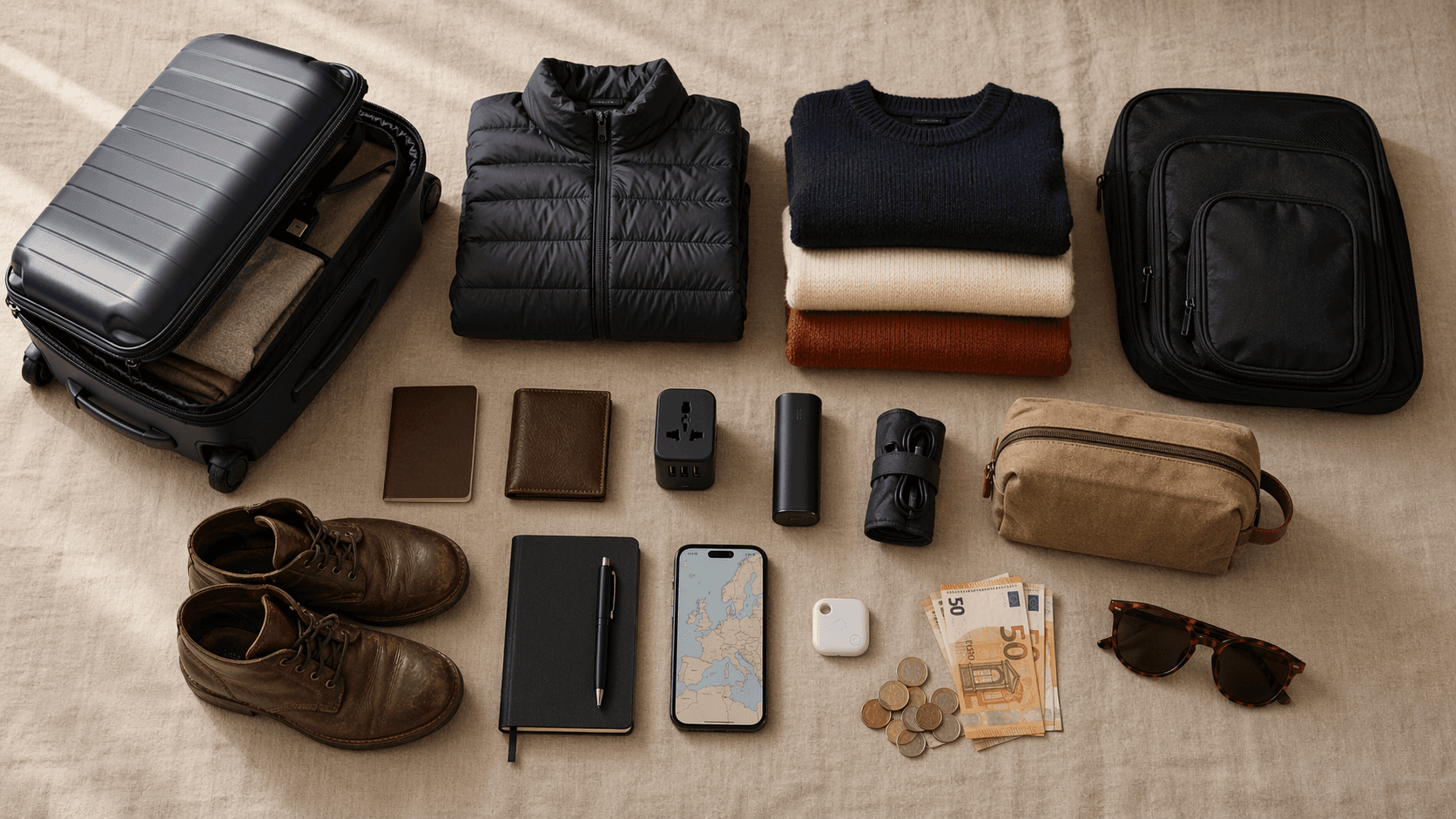
That experience shapes this list. A trip to Europe is not a trip to one country — most itineraries cross 2 or 3 Schengen borders in a single week, move between 70°F afternoons and 45°F mornings, and alternate between walkable cobblestones and overnight trains. What you pack has to flex across all of it without blowing out your carry-on allowance, and it has to survive when the airline system doesn't cooperate.
My wife and I have traveled to France and Italy together, and we're preparing for our next trip back to France in May 2026. After multiple transatlantic trips, we've learned exactly what's worth packing and what just takes up space. Below is the complete list — 9 year-round essentials we pack every single time, followed by season-specific advice (summer vs winter), itinerary-specific advice (2-week vs carry-on-only), and a final copy-ready checklist.
1. A Reliable Carry-On Suitcase
For European trips, a good carry-on is non-negotiable. Cobblestone streets, narrow hotel hallways, and train overhead bins all demand a bag that's tough but maneuverable.
We use the Away The Carry-On. It has a built-in TSA-approved combination lock, an interior compression system that helps you fit more, and 360-degree spinner wheels that glide over airport floors. The polycarbonate shell has held up through multiple trips without any dents.
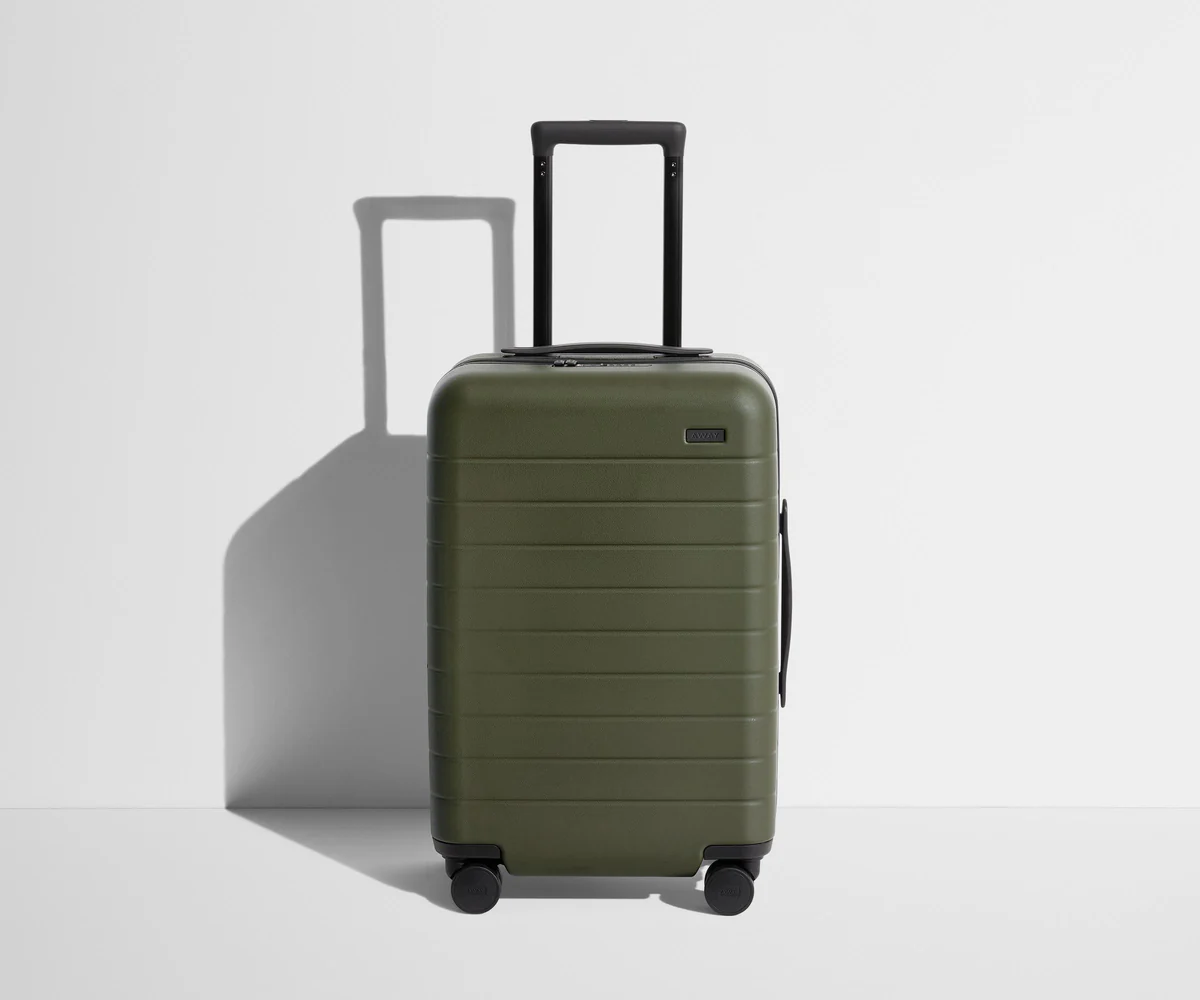
For a 7–10 day Europe trip, we each bring one checked bag and one carry-on. The carry-on holds everything we need for the first couple of days in case checked luggage is delayed (more on why that matters later).
2. An eSIM for Instant Data Abroad
This one changed how we travel. An eSIM is a digital SIM card built into your phone — you buy a data plan online before your trip, and the moment your plane lands in Europe, you have mobile data. No hunting for SIM card kiosks at the airport. No paying your carrier $12/day for international roaming.
We install our eSIM the day before we fly. When we touch down, we turn off airplane mode and immediately have Google Maps, Uber, translation apps, and everything else we need. It's one of those things that sounds minor but completely removes the stress of arriving in a new country.
Compare eSIM Plans for Europe
Not sure which eSIM to get? We built a comparison tool that shows plans from 15+ providers side-by-side — filter by data, price, and coverage.
3. A Universal Travel Adapter
Europe uses Type C and Type F power outlets, which are different from North American plugs. You'll need an adapter for every device you bring.
We use the VINTAR Universal Travel Adapter and it's one of the best travel purchases we've made. It covers outlet types in Europe, the UK, Australia, and more — so one adapter works for any destination. The best part is it has 3 USB-C ports and 2 USB-A ports built in, so you can charge your phone, tablet, headphones, and portable charger all at once from a single outlet.
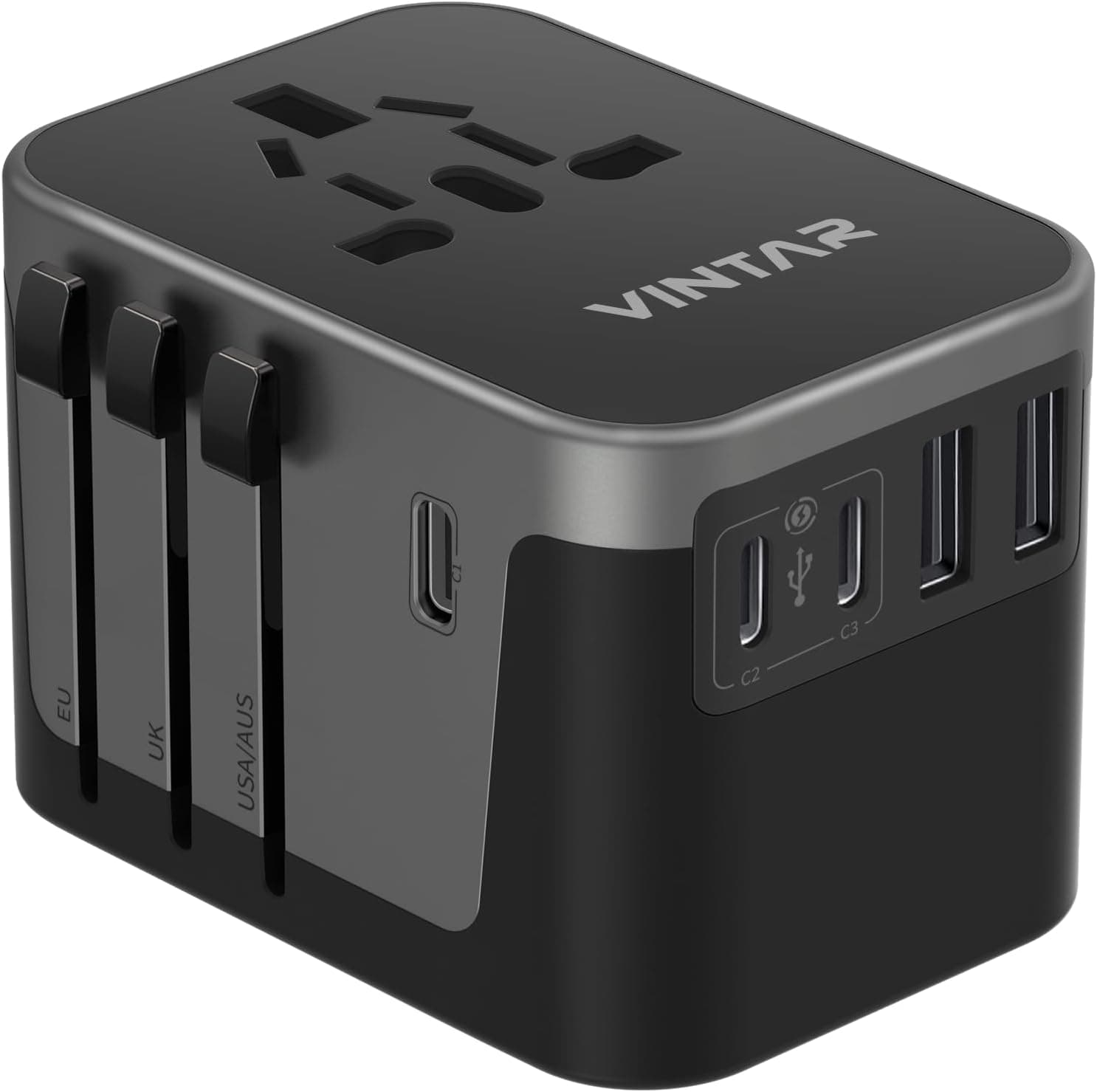
At around $21, it's one of the cheapest items on this list and one of the most useful.
4. Compression Packing Cubes
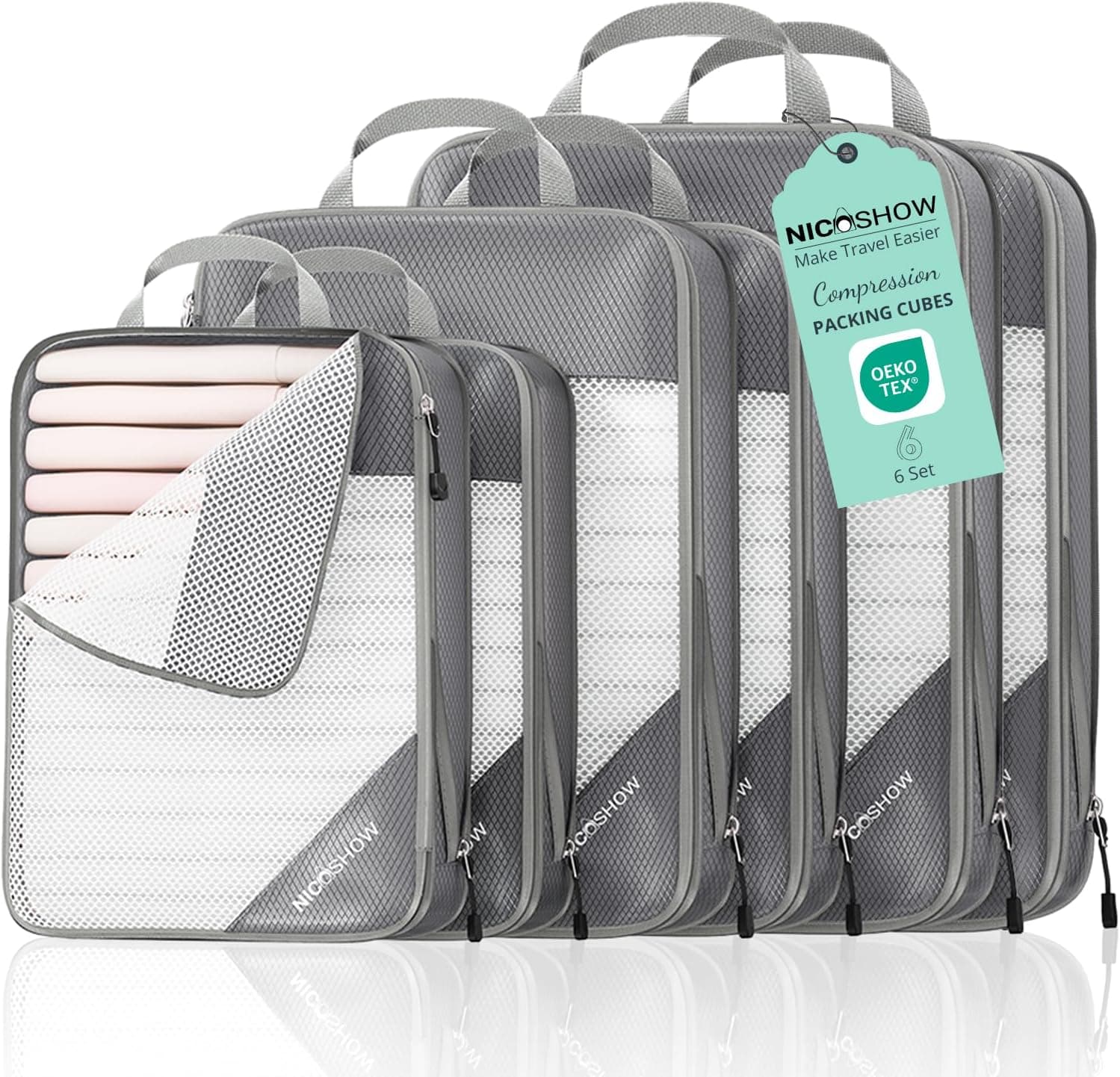
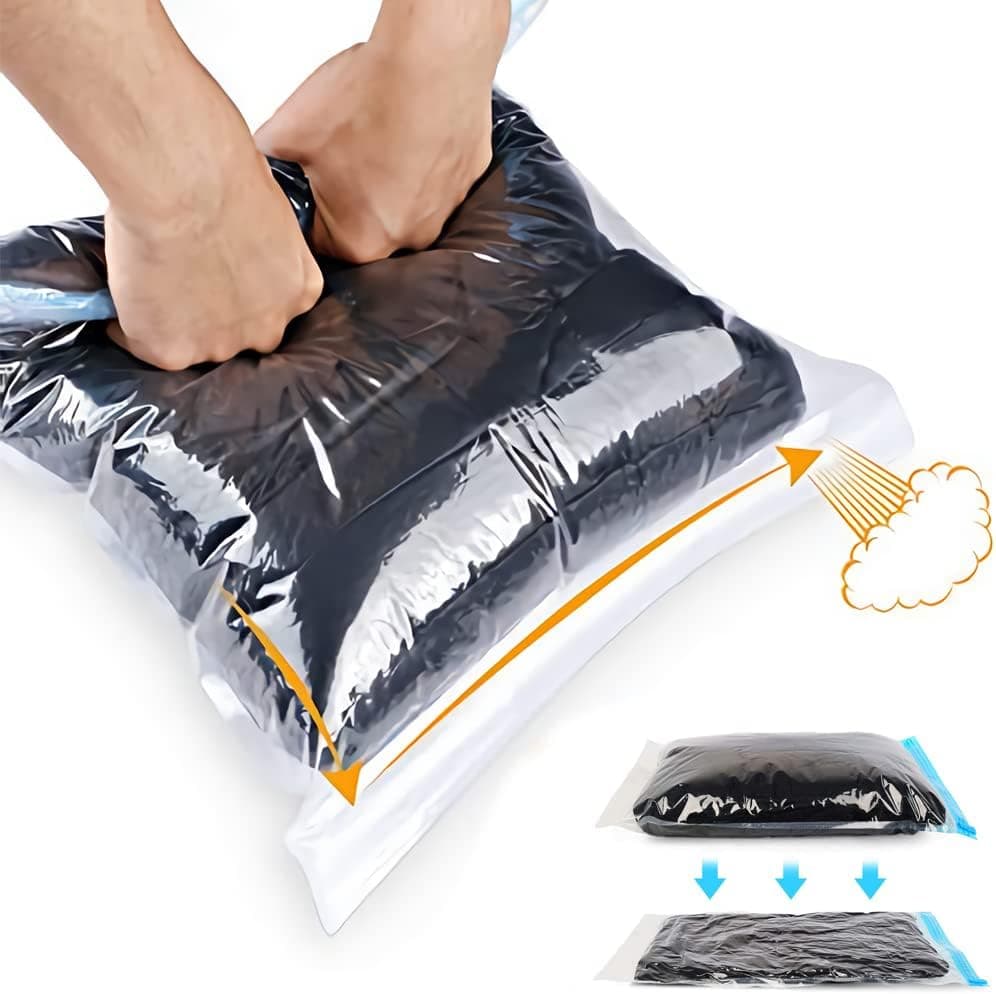
Compression packing cubes genuinely changed how we pack. Instead of rolling clothes and hoping for the best, you organize everything into cubes and then compress them down to about half their size. It's hard to believe until you try it.
We use the NICOSHOW 6-Set Compression Packing Cubes. The set comes in multiple sizes so you can dedicate one to shirts, one to pants, one to underwear and socks, and so on. They keep your suitcase organized the entire trip — no more digging through a pile of clothes to find what you need.
Our pick
Amazon
NICOSHOW 6-Set Compression Packing Cubes
Multiple sizes let you separate shirts, pants, undergarments. Organize + compress in one.
Budget alternative
Amazon
ALMING Compression Bags
No organization, just maximum compression. Best for bulky sweaters and down jackets.
If you want even more compression and don't need the organizational structure, the ALMING Compression Bags are a great budget alternative. The difference: cubes organize and compress, while bags maximize compression for sheer space savings.
5. A Portable Charger
Between maps, photos, translation apps, and eSIM data, your phone battery takes a beating on travel days. A portable charger is essential.
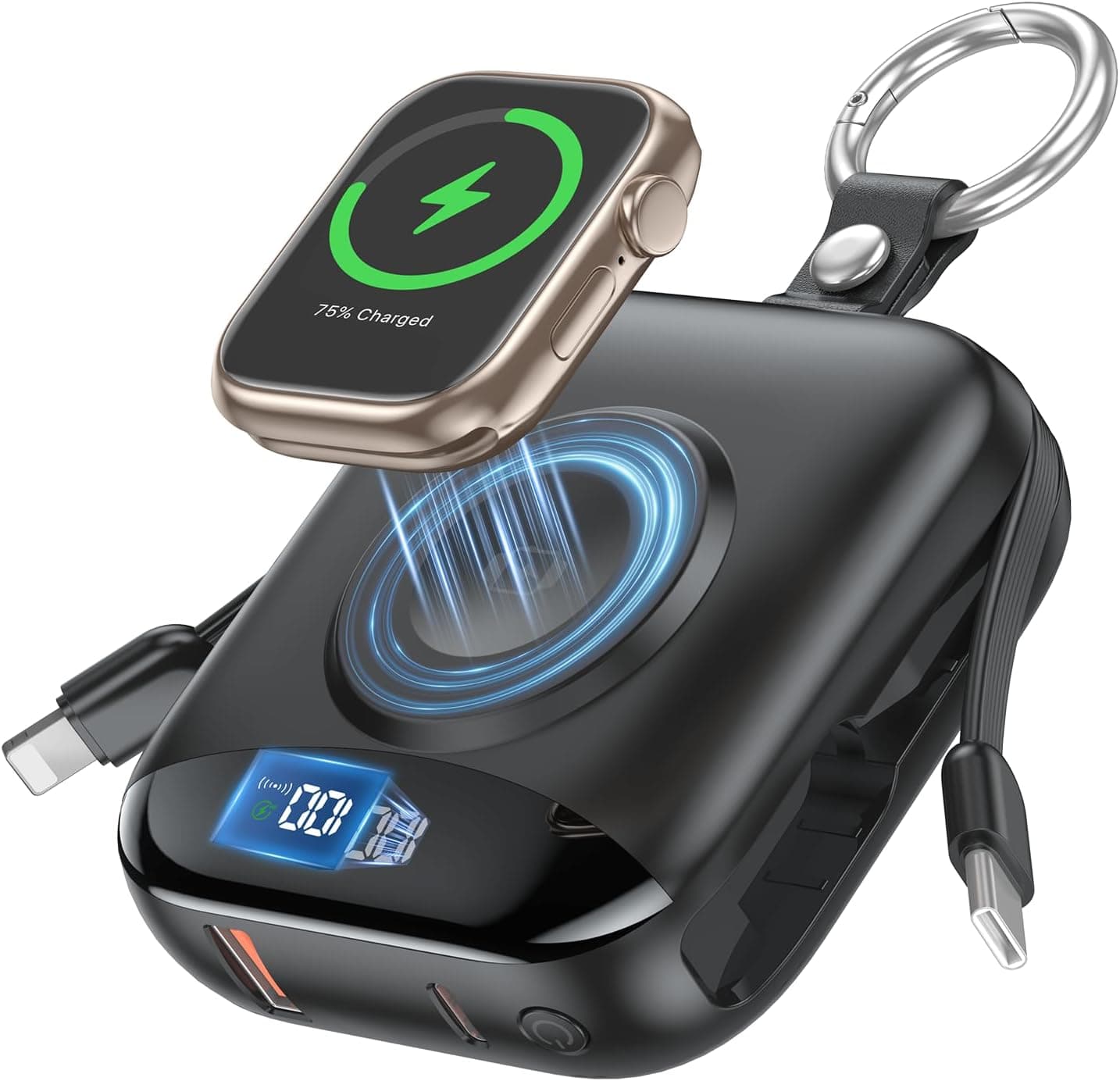
We carry the citicr 10000mAh Portable Charger. 10,000mAh is enough for about 2 full phone charges, which easily gets you through a full day of sightseeing. The best feature is the built-in cables — no fumbling around for a charging cord when your phone is at 5% in the middle of the Louvre.
TSA Note:Power banks must go in your carry-on bag — they are not allowed in checked luggage. The TSA limit is 100Wh per battery, and a 10,000mAh charger is well under that limit.
6. A Cable Organizer
Between phone chargers, earbuds, the travel adapter, an Apple Watch charger, and camera cables, the number of cords you travel with adds up fast. Nothing is more frustrating than digging through your bag at the airport gate trying to find the right cable.
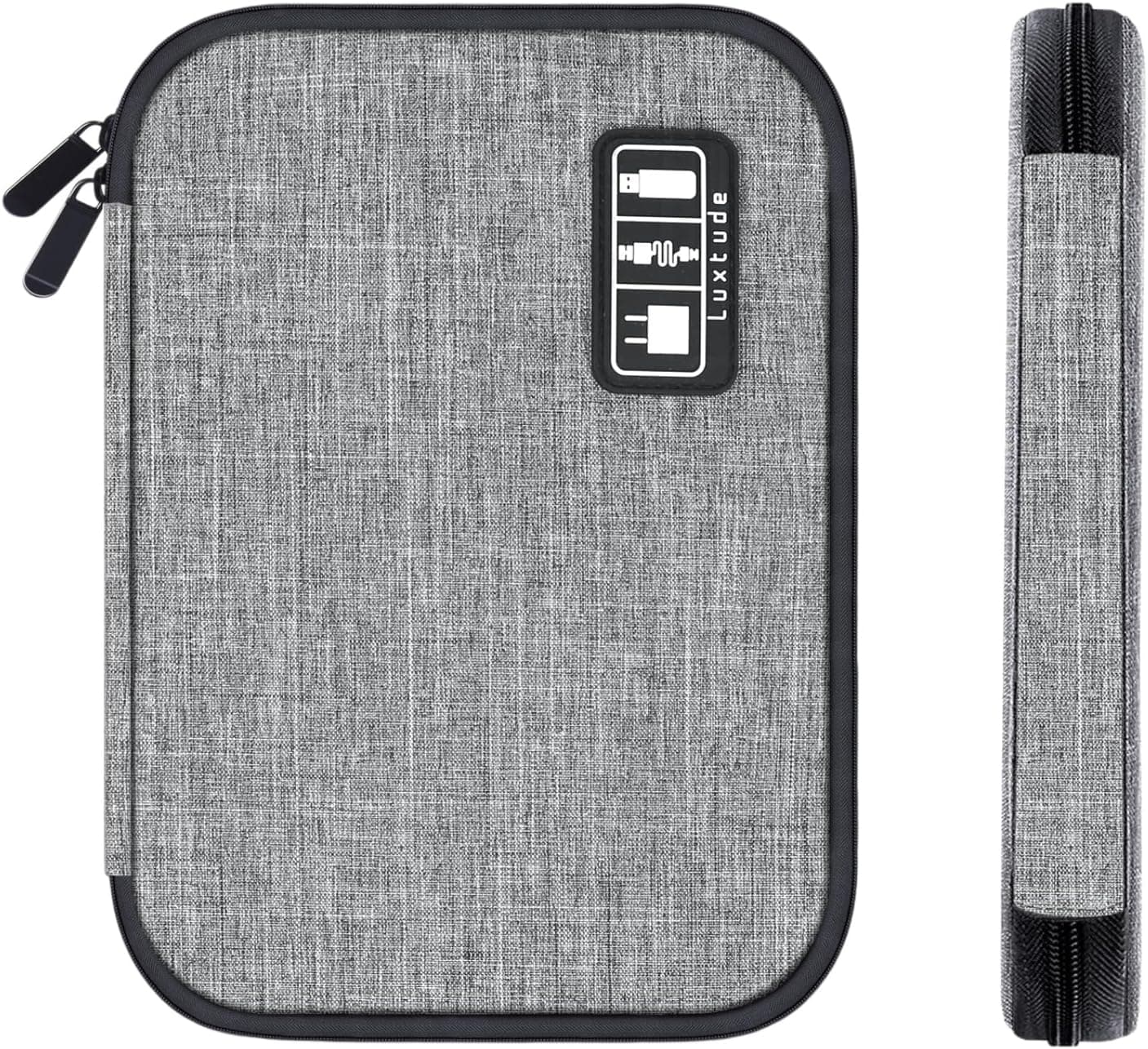
The Luxtude Cord Organizer keeps everything in one place. It has elastic loops and zippered pockets for cables, adapters, SD cards, and small accessories. You throw it in your carry-on and always know exactly where everything is.
7. A Good Toiletry Bag
If you're carrying toiletries in your carry-on (and you should, in case your checked bag is delayed), remember the TSA 3-1-1 rule: liquids must be in containers of 3.4oz or less, all fitting in one quart-sized clear bag.
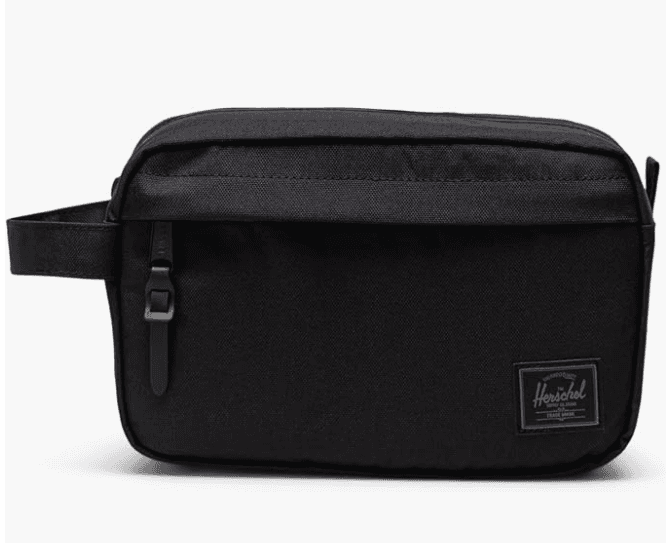
We use the Herschel Chapter Travel Kit. It's the right size for travel toiletries without being bulky, has good internal compartments to keep things organized, and the waterproof lining means you don't have to worry about leaks ruining anything in your bag.
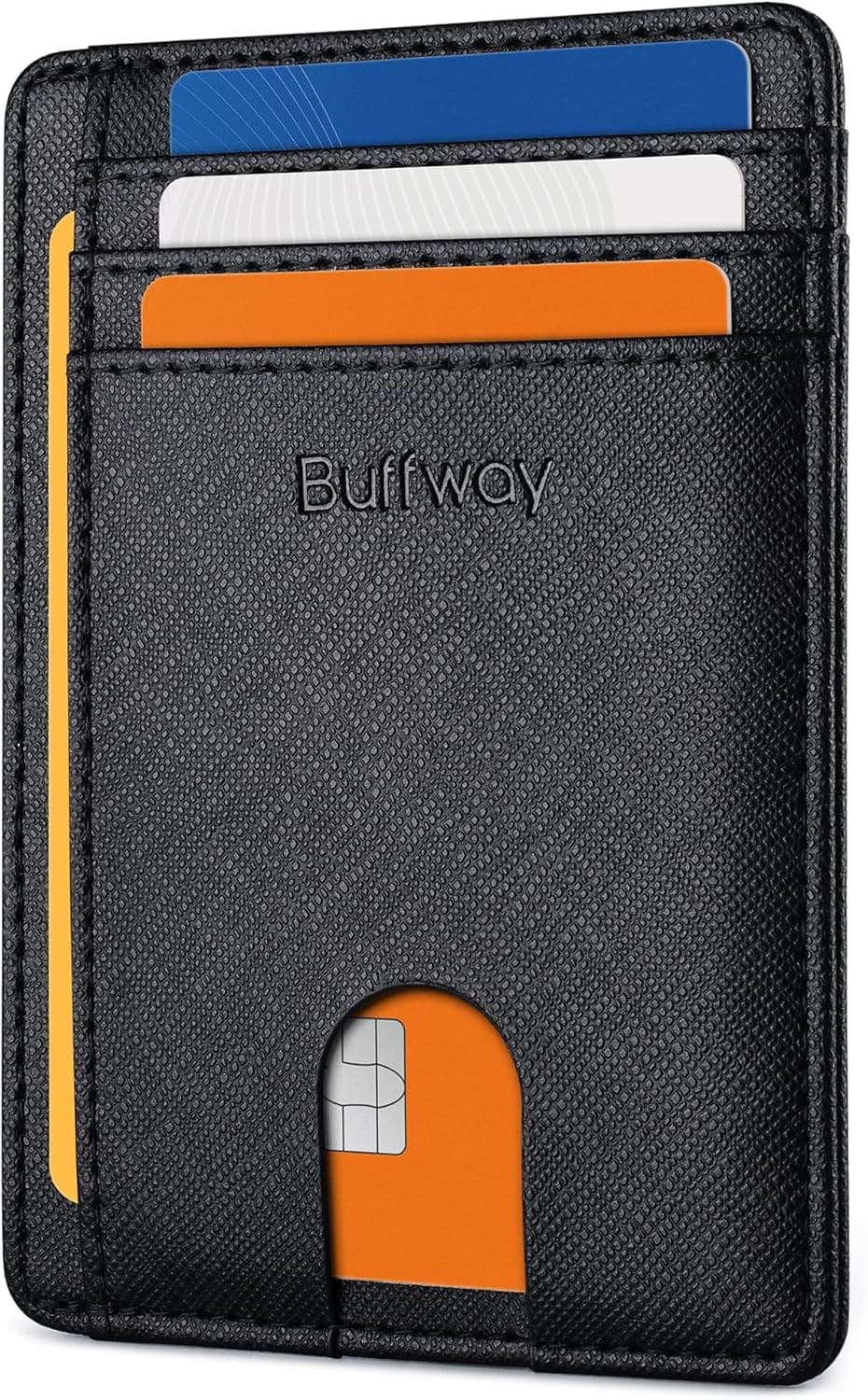
8. An RFID-Blocking Travel Wallet
European cities are amazing but they can be crowded, and pickpockets are a real thing in popular tourist areas. We don't carry our main wallets when we're out sightseeing.
Instead, we each carry a Buffway Slim Wallet with just the essentials — one credit card, a debit card, some cash, and an ID. It's slim enough for a front pocket, which is much harder for pickpockets to access. The RFID blocking is a nice bonus for crowded metro trains and markets. Keep your main wallet locked in the hotel safe.
9. Apple AirTags for Luggage Tracking
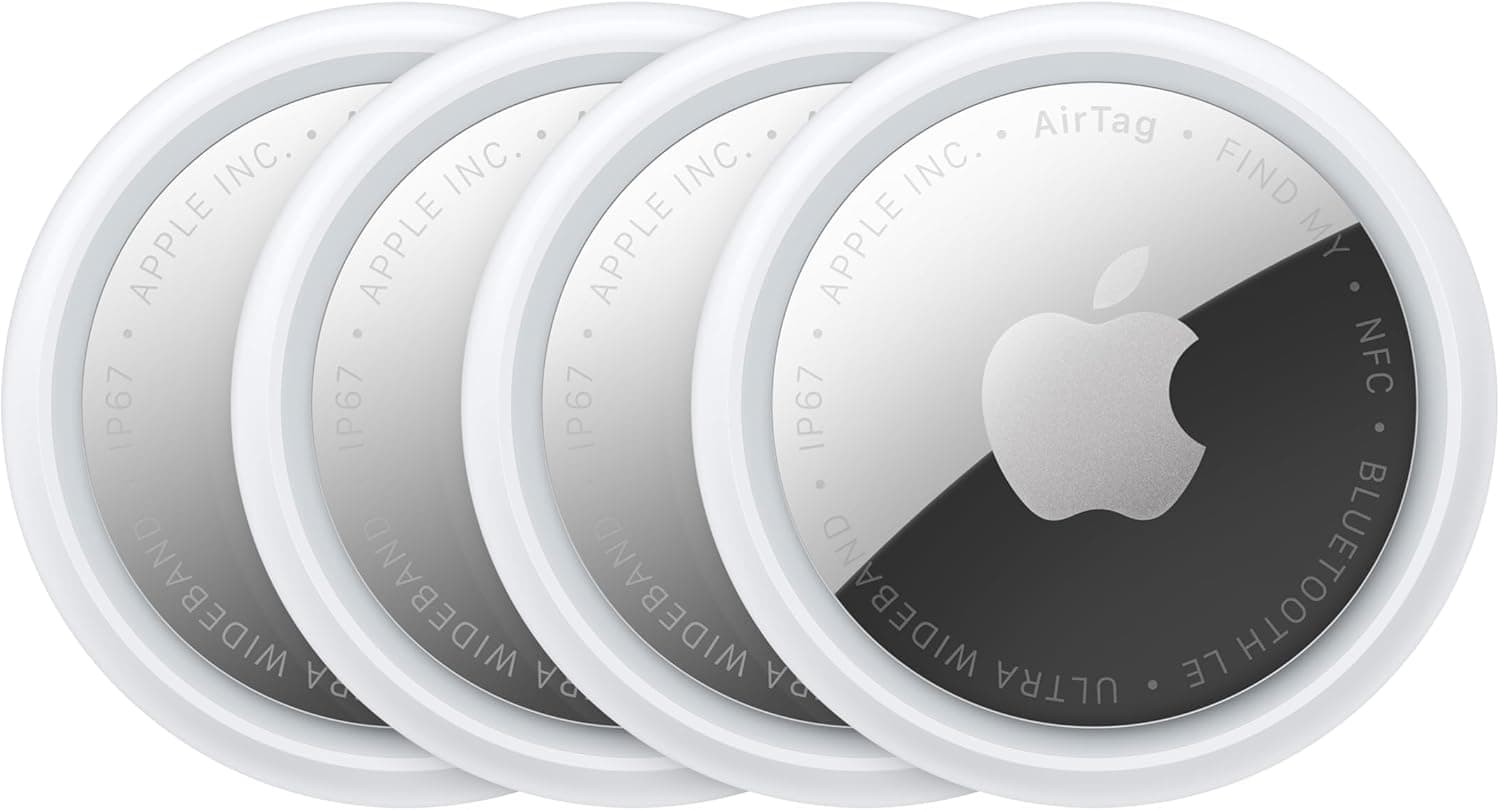
This recommendation comes from hard-earned experience. On our honeymoon to Paris in January 2023, my wife's luggage was lost by Iberia airlines during a connection in Madrid. It wasn't delivered to our hotel until the 7th and final night of the trip — meaning her suitcase was essentially lost for the entire vacation.
Instead of exploring Paris on our first full day, we spent it buying replacement clothes in shops near our hotel. Travel insurance and Iberia both eventually paid out, but the stress and lost time on our honeymoon was something money couldn't replace.
If we'd had Apple AirTags in her luggage, we would have known exactly where the bag was the entire time. Airlines can use that location data to find and reroute bags much faster. AirTags work through Apple's Find My network, which means they can be located even when they're offline and out of Bluetooth range — any nearby iPhone will anonymously relay the location.
We now put one AirTag in each checked bag, one in a carry-on, and keep one as a spare. The 4-pack is the best value, and the peace of mind is worth every penny. We will never check a bag without one again.
Before You Fly: Insurance, Tours & Car Rentals
The three things most travelers underestimate before a Europe trip: insurance (because of exactly the kind of luggage mess that derailed our honeymoon), pre-booked tours (skip-the-line tickets sell out 2–4 weeks before peak season), and car rental (essential for Tuscany, Provence, the Amalfi Coast, and anywhere rail doesn't reach).
SafetyWing
Travel Medical Insurance
Covers emergencies, trip interruption, lost luggage. Pay monthly; cancel anytime.
Viator
Tours & Skip-the-Line Tickets
Colosseum, Vatican, Louvre, Eiffel Tower. Book 2–4 weeks ahead for peak dates.
DiscoverCars
Compare Car Rentals
Essential for Tuscany, Provence, and the Amalfi Coast. Compares 800+ rental companies.
What to Pack for Europe in Summer
Summer in Europe (June through August) is hot, often hotter than first-time visitors expect. Paris and Rome routinely hit 95°F (35°C) in July and August, and most European hotels and apartments don't have American-style air conditioning. Packing is about staying cool without looking like a tourist, while still being prepared for sudden thunderstorms and for churches that require covered shoulders.
Summer Europe packing priorities:
- Lightweight breathable fabrics — linen and cotton over synthetics. Technical travel fabrics (ExOfficio, Patagonia) wick sweat and dry overnight in a hotel sink.
- Comfortable walking shoes you can wear all day on cobblestones — not brand-new sandals. Plan to walk 15,000+ steps/day.
- One set of smart-casual clothes for dinners. Europeans dress up for restaurants more than Americans do, even in summer.
- A light layer (cardigan or long-sleeve shirt) for air-conditioned trains, museums, and cooler evenings.
- A scarf or pashmina — covers shoulders in churches (the Vatican, Notre-Dame, and most cathedrals enforce this) and doubles as a light wrap at night.
- A packable rain jacket — summer thunderstorms in the Mediterranean can appear out of nowhere in the afternoon.
- SPF 50 sunscreen, sunglasses, and a hat. Mediterranean sun is intense, especially around water.
- A refillable water bottle — Rome has 2,500 free-flowing public fountains (nasoni), and Paris has 1,200. Buying bottled water every day adds up fast.
What to leave behind: jeans (too hot, too heavy, too slow to dry), heavy sneakers, brand-new anything. If you wouldn't happily wear it through a 90°F subway ride in New York, you won't want to wear it in August in Rome either.
What to Pack for Europe in Winter
Winter in Europe (November through February) is a genuinely underrated time to visit — lower prices, thinner crowds, and a quieter, more local version of the cities. But European winter weather varies wildly by region: 35–45°F (2–7°C) in Paris and London, much colder and snowier in Berlin, Vienna, and the Alps, and still mild in the south (Barcelona, Rome, Athens stay in the 50s).
Winter Europe packing priorities:
- A warm, packable down jacket — the single most important item. Uniqlo's Ultra Light Down compresses to the size of a grapefruit and rates to about 30°F. For Alpine destinations, go heavier.
- Merino wool base layers (top and bottom). Wool regulates temperature, doesn't smell, and can be worn 3–4 days in a row without washing — essential for keeping luggage light.
- A waterproof outer layer. European winter is wet, not just cold. A rain shell over a down jacket beats a single heavy coat for flexibility.
- Waterproof boots with traction — cobblestones in Paris, Prague, and Rome get dangerously slick after winter rain. Blundstones, Timberlands, or Merrell Chameleons all work.
- Thick merino wool socks (Smartwool, Darn Tough). Cold feet will ruin a day of sightseeing faster than anything else.
- A warm hat, gloves (touchscreen-compatible), and a wool scarf. Losing heat from your head, hands, and neck is what makes European winter feel miserable.
- A light sweater for indoors — European hotels and restaurants are usually kept noticeably cooler than American ones. 65°F indoor temperatures are normal.
- Hand warmers and lip balm. Small, cheap, massively appreciated when the wind picks up along the Seine or the Arno.
What caught us off guard: on our January honeymoon in Paris, the indoor temperatures of hotels and restaurants were noticeably colder than we're used to in the US. A light sweater you can wear inside matters just as much as the down jacket you wear outside.
Packing List for 2 Weeks in Europe
Two weeks is the sweet spot for a Europe trip — long enough to see 2 or 3 cities across a single country or region without the jet lag of a short trip. The challenge: you don't want to pack for 14 days of fresh outfits. Two weeks works best with 7–8 days of clothes, one laundry cycle midway, and tight packing cubes.
2-week Europe clothing formula (works for most trips):
- 5 tops (mix of t-shirts and one or two long-sleeves) in a coordinated color palette — black, navy, white, and one accent color. Everything pairs with everything.
- 2 bottoms — one pair of pants and one pair of shorts or skirt. Jeans for winter; linen or travel pants for summer. Choose dark colors (hide dirt, easy to dress up).
- 1 dress or nicer outfit for dinners or nights out.
- 5–6 pairs of underwear and socks (wash every 4–5 days). Merino socks get 2–3 wears each.
- 1 pair of walking shoes + 1 dressier pair (loafers, ankle boots, or sandals depending on season).
- A light sweater or cardigan + a weather-appropriate outer layer (rain jacket in summer, down + shell in winter).
- Sleepwear + workout clothes (if you'll actually use them — otherwise skip).
Plan one laundry cycle around day 7 or 8. Most Airbnbs have washing machines; most hotels have wash-and-fold service (usually around €20 for a load). Laundromats (lavanderia in Italy, laverie in France) are everywhere in cities and run roughly €10 for a wash + dry.
Along with this, bring a small dry sack or packing cube dedicated to dirty laundry, and ALMING Compression Bags for clothes you won't touch again that trip — they halve the space taken up by bulky items like sweaters or down jackets you've already used in a colder city.
Carry-On Only: Europe Packing Guide
Carry-on only is the single best decision you can make for a Europe trip. You avoid the lost-luggage risk on connecting flights (Madrid and Rome both have notoriously low baggage success rates), skip baggage carousels, and save the €30 – €75 checked bag fees that budget airlines like Ryanair, easyJet, Vueling, and Wizz Air charge per flight. On a multi-city trip with 2 or 3 intra-Europe flights, that alone can be €200 in fees.
Rules that make carry-on-only work:
- Pick a true carry-on sized bag. EU carry-on limits are generally 55 x 40 x 20 cm (about 22 x 16 x 8 inches) — smaller than the US standard. The Away Carry-On and Travelpro Maxlite 5 both fit most airlines.
- Budget airlines (Ryanair, Wizz Air) enforce strict size and weight limits and charge €40+ at the gate for anything oversized. Always weigh your bag the night before flying.
- Use compression packing cubes religiously. A 6-set from NICOSHOW can reduce clothing volume by 30%. It's the difference between carry-on-only working and not.
- Wear the heaviest, bulkiest items on the plane — down jacket, boots, jeans. Free space in the bag.
- Pack a personal item (backpack, tote) that fits under the seat and holds electronics, a change of clothes, and snacks. Most European airlines enforce the 'one bag' rule strictly — make sure your personal item fits under-seat dimensions.
- Plan for laundry at day 7. One laundromat visit turns a 7-day wardrobe into a 14-day trip.
- Keep liquids in TSA-size (100ml) containers — European security is stricter than the US about liquid sizes and will confiscate oversized bottles.
One more upside: European streets, metros, and hotel staircases were built for people with small bags. Hauling a large checked suitcase up a fifth-floor walk-up in the Marais or through a cobblestone alley in Trastevere is genuinely awful. A 22-inch carry-on makes every part of the trip easier, not just the airport.
Europe Travel Essentials Checklist
Everything in one place. Every item on this list has been tested on multiple trips across France, Italy, and the broader Schengen zone:
The most important thing is to enjoy your trip and not stress about what you forgot. With these essentials covered, you can focus on the experience instead of the logistics.
We're packing every single one of these for our May 2026 France trip. If you're heading to Europe soon, we hope this list helps you pack smarter.
Planning a Europe Trip? Compare eSIM Plans
Don't pay $12/day for carrier roaming. Compare travel eSIM plans from 15+ providers and land with data already working.
Compare eSIM Plansarrow_forward