Disclosure: This guide contains affiliate links. If you purchase through our links, we may earn a small commission at no extra cost to you.
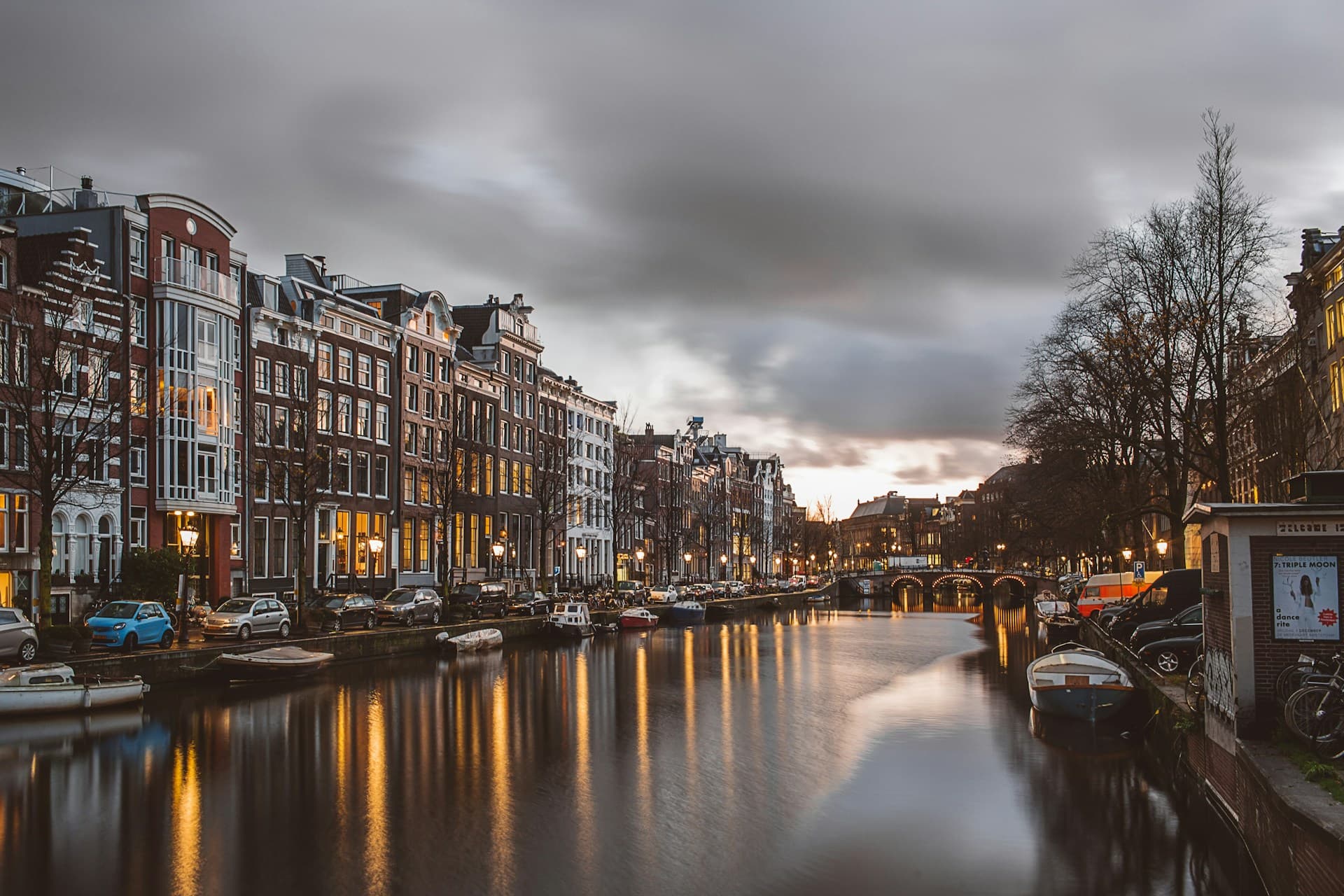
Amsterdam is one of those cities that works on every level. It's compact enough to walk or cycle in a few days, packed with world-class museums, and full of neighborhoods that feel completely distinct from each other. The canal ring alone — a UNESCO World Heritage Site — is one of the most beautiful urban landscapes in Europe.
But what makes Amsterdam special isn't just the tourist highlights. It's the little things: the way every bridge has a different view, the brown cafés where locals have been drinking the same beer for decades, the street markets that serve stroopwafels warm off the iron. This guide covers both the must-sees and the neighborhoods worth wandering.
1. Canal Cruise Through the Canal Belt
Amsterdam has more canals than Venice — 165 in total, forming concentric rings around the city center. The Canal Ring (Grachtengordel) was built during the Dutch Golden Age in the 17th century and is now a UNESCO World Heritage Site. Seeing it from the water is the single best introduction to the city.
A standard canal cruise takes about 60–75 minutes and covers the major canals: Herengracht (Gentlemen's Canal), Keizersgracht (Emperor's Canal), and Prinsengracht (Prince's Canal). You'll pass under dozens of bridges, glide past the narrowest house in Amsterdam, and see the houseboats that line the smaller waterways.
Canal cruise tips:
- Standard cruises run €15–18 per person and depart every 15–30 minutes from multiple locations near Centraal Station and the Rijksmuseum.
- Open-top boats are best in good weather — you get unobstructed views of the canal house facades and bridges.
- Evening cruises offer a different perspective — the canal houses are lit up and the bridges are strung with lights.
- For something different, rent a small electric boat (no license required) for €50–75/hour and navigate the canals yourself with up to 6 people.
Tip: Do the canal cruise on your first day — it orients you to the city layout and helps you identify neighborhoods you want to explore on foot later.
2. Rijksmuseum
The Rijksmuseum is the Netherlands' national museum and one of the finest art collections in the world. The building itself — a Gothic Revival palace designed by Pierre Cuypers — is worth the visit even before you step inside.
The collection spans 800 years of Dutch art and history, but the undeniable centerpiece is Rembrandt's The Night Watch(1642), which has its own room at the end of the Gallery of Honour. The approach through a long hall of Golden Age masterpieces — Vermeer's The Milkmaid, Hals, Steen — building to that final room is one of the great museum experiences in Europe.
Planning your visit:
- Tickets are €22.50 for adults, free for under-18s. Book timed-entry tickets online — walk-up queues can exceed an hour in peak season.
- Allow 2–3 hours minimum. The museum is enormous — if you're short on time, head straight to the second floor Gallery of Honour for the Dutch Golden Age paintings.
- The Rijksmuseum Gardens are free to enter and surprisingly peaceful — a hidden courtyard with sculptures and a café.
- The museum shop is one of the best in Europe — Vermeer and Rembrandt reproductions, Dutch design objects, and art books.
3. Van Gogh Museum
The Van Gogh Museum holds the world's largest collection of works by Vincent van Gogh — over 200 paintings, 500 drawings, and 700 letters. The collection is arranged chronologically, which means you experience his artistic evolution from the dark earth tones of his early Dutch period through the vibrant color explosions of his time in Arles and Saint-Rémy.
Highlights include Sunflowers (1889), The Bedroom (1888), Almond Blossom(1890), and self-portraits from every phase of his career. The letters between Vincent and his brother Theo add a deeply personal dimension that you don't get from the paintings alone.
Practical info:
- Tickets are €20 for adults, free for under-18s. Timed-entry is mandatory — book online, especially for morning slots.
- Allow 1.5–2 hours. The museum is smaller than the Rijksmuseum but denser — every room is packed with masterpieces.
- The multimedia guide (€5 extra) is genuinely worth it — it adds context about Van Gogh's mental state, techniques, and the people in his life during each painting phase.
- Located on Museumplein, a 2-minute walk from the Rijksmuseum — do both in the same day.
4. Anne Frank House
The Anne Frank House at Prinsengracht 263 is where Anne Frank and her family hid for over two years during World War II. The museum preserves the Secret Annex — the concealed rooms behind a bookcase where eight people lived in hiding from 1942 to 1944.
Walking through the actual rooms where Anne wrote her diary is a profoundly moving experience. The museum is deliberately understated — the annex rooms are kept empty (as they were after the Gestapo raid), with quotes from the diary on the walls and original artifacts in display cases. The bookcase entrance is still there.
Booking is essential:
- Tickets are ONLY available online — there are no walk-ups, no exceptions. They sell out weeks in advance.
- New tickets are released every Tuesday at 10:00 AM CET for dates 6 weeks ahead. Set a reminder and book the moment they drop.
- Tickets cost €16 for adults. Visit takes about 60–90 minutes.
- The museum is most powerful in the late afternoon or evening slots when the crowds thin — the contemplative atmosphere is important here.
5. Book a Guided Tour
After four museums and a canal cruise, you might be wondering whether a guided tour adds anything. It does — more than you'd expect. A good guide connects the dots between the Golden Age paintings you just saw in the Rijksmuseum and the actual canal houses those merchants lived in. They turn a walk through the Jordaan from "pretty streets" into stories about resistance fighters, hidden churches, and why the houses lean forward.
Bike tours are especially popular here — they're the most natural way to experience the city. A guided bike tour through the Jordaan, Vondelpark, and the canal ring covers more ground than walking and feels authentically Amsterdam. Walking tours focused on WWII history pair well with the Anne Frank House visit.
6. Neighborhood Walks: Jordaan & De Pijp
Amsterdam's neighborhoods are what elevate it beyond a museum city. Two stand out for visitors: the Jordaan and De Pijp.
The Jordaan
Directly west of the Canal Ring, the Jordaan was a working-class neighborhood that has gentrified into one of the most charming areas in Europe. Narrow streets, independent boutiques, brown cafés (traditional Dutch pubs with wood-paneled interiors), and hidden courtyards called hofjes. The Saturday Noordermarkt (farmers' market) and the Monday Westerstraat flea market are both excellent. This is the Amsterdam that locals love and tourists often miss.
De Pijp
South of the canal ring, De Pijp is Amsterdam's most multicultural neighborhood. It's centered around the Albert Cuyp Market — the largest street market in the Netherlands — and packed with Indonesian, Surinamese, Moroccan, and Turkish restaurants alongside trendy brunch spots and wine bars. The Sarphatipark is a quiet green escape in the middle of it all.
Tip: Spend a full morning in the Jordaan and an afternoon in De Pijp. These two neighborhoods — more than any museum — show you what Amsterdam actually feels like to live in.
7. Food & Markets
Dutch food has a reputation for being bland, but Amsterdam's dining scene tells a different story. The city's colonial history means Indonesian food is a staple, and the market culture is exceptional.
Rijsttafel (Indonesian rice table)
Amsterdam's most distinctive culinary tradition — a feast of 12–20 small Indonesian dishes served simultaneously. It dates back to Dutch colonialism in Indonesia and remains one of the best meals you'll have in the Netherlands. Budget €25–35 per person at mid-range restaurants.
Stroopwafels
Two thin waffle layers with a caramel syrup filling. The packaged ones are good; the ones made fresh at street markets are transcendent. Find them at the Albert Cuyp Market or any Saturday street market. Best eaten warm — place one on top of your coffee cup for 30 seconds to let the steam soften the caramel.
Bitterballen
Deep-fried beef ragout balls — the Netherlands' official bar snack. Served with mustard in every brown café in the city. Order them with a glass of local beer (Brouwerij 't IJ, Heineken, or Amstel).
Albert Cuyp Market
The largest outdoor market in the Netherlands, stretching almost a kilometer through De Pijp. Open Monday–Saturday. Fresh stroopwafels, herring stands, Surinamese roti, Dutch cheese, and everything in between. Come hungry.
Foodhallen
A covered food market in a former tram depot in Amsterdam-West. Over 20 stalls serving everything from Vietnamese banh mi to Dutch croquettes. Good option for groups who can't agree on a restaurant.
8. Dam Square & the Royal Palace
Dam Square is the historical heart of Amsterdam — the city was literally founded here, where a dam was built on the Amstel River in the 13th century (Amstel + Dam = Amsterdam). The square is anchored by the Royal Palace (Koninklijk Paleis), a 17th-century building that still serves as the official reception palace for the Dutch monarchy.
Around Dam Square:
- Royal Palace — open to visitors when the King isn't using it for state functions (most of the year). The Citizen's Hall with its marble floor maps is the highlight. Tickets are €12.50.
- Nieuwe Kerk — a 15th-century church next to the palace, now used for exhibitions and the coronation of Dutch monarchs. Check what's showing during your visit.
- National Monument — the 22-meter obelisk on the east side of the square, dedicated to WWII victims. The site of the annual Remembrance Day ceremony.
- De Bijenkorf — the grand department store on the square, worth a look inside for its architecture even if you don't shop.
9. Heineken Experience & Nightlife
The Heineken Experience is housed in the original Heineken brewery in De Pijp, operating from 1867 to 1988. It's an interactive tour through the brewing process, brand history, and ends with beer tasting — two drinks are included in the ticket price.
Heineken Experience
Tickets are €23 online (€25 at the door). The tour takes about 90 minutes. It's well-produced and entertaining, though more of a brand experience than a craft beer tour. Book online to skip the line.
Brouwerij 't IJ
For a more authentic Amsterdam beer experience, head to this craft brewery built under a windmill in the eastern docks. The taproom serves their own beers with a view of the De Gooyer windmill. Open daily from 2 PM.
Brown cafés
Amsterdam's traditional pubs — called 'brown' for their tobacco-stained wood paneling. Café 't Smalle in the Jordaan (1786), Café Papeneiland (1642), and Café Chris (1624) are among the oldest and most atmospheric.
Nightlife
Leidseplein and Rembrandtplein are the main nightlife squares — busy, loud, tourist-heavy. For a more local scene, try the bars along Nieuwmarkt or the clubs in Amsterdam-Noord (accessible by free ferry from Centraal Station).
10. Day Trips from Amsterdam
The Netherlands is tiny and extremely well-connected by train. Several world-class day trips are within 30–60 minutes of Amsterdam Centraal.
Zaanse Schans
A preserved windmill village 20 minutes north of Amsterdam by bus. Working windmills, clog-making demonstrations, cheese farms, and traditional green wooden houses along the Zaan River. Free to walk around; individual attractions charge small entry fees. Go early morning to avoid tour bus crowds.
Keukenhof (mid-March to mid-May only)
The world's largest flower garden — 7 million tulips, daffodils, and hyacinths across 32 hectares. Only open for about 8 weeks in spring. Tickets are €18.50 online and include a bus transfer from Schiphol or nearby stations. If you're visiting Amsterdam in tulip season, this is non-negotiable.
Haarlem
A smaller, quieter version of Amsterdam — 15 minutes by train. Beautiful Grote Markt square, the Frans Hals Museum (Golden Age paintings), and excellent shopping streets without Amsterdam's crowds. A perfect half-day trip.
Rotterdam
A 40-minute train ride south, Rotterdam is the architectural opposite of Amsterdam — modern, experimental, and bold. The Markthal, Cube Houses, and Erasmus Bridge are architecturally stunning. Good food scene too.
Kinderdijk
19 UNESCO-listed windmills in a polder landscape south of Rotterdam. Reachable as a day trip via Rotterdam (train + bus or waterbus). The most photogenic windmill site in the Netherlands.
Getting Around Amsterdam
Amsterdam is one of the most walkable and bikeable cities in the world. The entire canal ring is about 3 km across — you can walk from Centraal Station to the Rijksmuseum in 25 minutes.
Cycling
The Amsterdam way. 800,000 bikes in a city of 900,000 people. Rental bikes cost €10–15/day from shops like MacBike or Black Bikes. Use the bike lanes (red asphalt), signal turns, lock your bike with TWO locks (wheel lock + chain to a fixed object), and watch for trams. E-bikes are widely available for €20–25/day.
Walking
The canal ring is compact and endlessly interesting on foot. Most major attractions are within a 20-minute walk of each other. Wear comfortable shoes — cobblestones are everywhere.
Trams
GVB trams cover the entire city. A single ride is €3.40 with an OV-chipkaart (reloadable transit card) or contactless bank card. Day passes are €9. Trams 2, 5, and 12 connect Centraal Station to the museum district.
Free ferries
GVB runs free ferries from behind Centraal Station to Amsterdam-Noord. The crossing takes 5 minutes and runs 24/7. Amsterdam-Noord has NDSM Wharf (street art, festivals), the A'DAM Lookout tower, and the EYE Film Museum.
I amsterdam City Card
Includes free entry to 70+ museums (including Rijksmuseum and Van Gogh Museum), unlimited GVB transit, and a canal cruise. A 72-hour card costs €120 — it pays for itself if you visit 3+ museums and use transit. Sold at the I amsterdam store at Centraal Station.
When to Visit Amsterdam
Amsterdam is a year-round destination, but the experience varies dramatically by season.
Spring (April–May)
Peak season and for good reason — tulips are in bloom, the weather is mild (12–18°C), King's Day on April 27 turns the entire city into an orange-clad street party, and the days are getting longer. Book hotels early — prices spike in April.
Summer (June–August)
Warm (20–25°C), long daylight hours, and the terraces along the canals are packed. Festival season (outdoor concerts, open-air cinema, Pride in August). The most crowded and expensive time to visit, but the city is at its most vibrant.
Autumn (September–October)
The sweet spot for many visitors. Warm enough for cycling and outdoor dining, fewer tourists than summer, lower hotel prices. The trees along the canals turn golden — some of the best photography conditions of the year.
Winter (November–March)
Cold, often rainy, and dark by 4:30 PM. But winter Amsterdam has its own charm: cozy brown cafés, ice skating at Museumplein, Christmas markets in December, and dramatically fewer tourists. Hotels are at their cheapest. Pack layers and rain gear.
Staying Connected in Amsterdam
The Netherlands has excellent 4G and growing 5G coverage across Amsterdam and throughout the country. You'll want data for navigating the canal-side streets (Google Maps is essential for finding addresses in the Jordaan), checking GVB transit times, and translating Dutch menus.
International roaming on most US carriers runs $10–12/day, which adds up fast on a week-long trip. A travel eSIM for the Netherlands or EU-wide coverage starts around $4 for 1 GB and can be set up before you leave home.
Compare eSIM Plans for the Netherlands
We've compared plans from Airalo, Holafly, Saily, and more — find the best data plan for your Amsterdam trip.
Compare Netherlands eSIM PlansFrequently Asked Questions
▶How many days do you need in Amsterdam?
Three full days is the sweet spot. That gives you time to visit the major museums (Rijksmuseum, Van Gogh, Anne Frank House), take a canal cruise, explore the Jordaan and De Pijp neighborhoods, and still have room for a day trip to Zaanse Schans or Haarlem. Two days works if you're focused, but you'll feel rushed. Four or five days lets you go deeper into neighborhoods like Amsterdam-Noord and the Eastern Docklands.
▶Is Amsterdam expensive?
Amsterdam is one of the pricier European cities. Budget around €150–250 per day for a couple, including a mid-range hotel, meals, and activities. Museum tickets run €20–23 each, a canal cruise is €15–18, and a sit-down dinner averages €25–40 per person. You can save by eating at markets, using the I amsterdam City Card for free museum entry and transit, and visiting free attractions like Vondelpark and the Jordaan street markets.
▶What is the best time to visit Amsterdam?
April through May is peak season for good reason — tulips are in bloom, the weather is mild (12–18°C), and the city feels alive after winter. September through October is the best-kept secret: warm enough for cycling and terrace sitting, fewer tourists, and lower hotel prices. Summer (June–August) is warm but crowded and expensive. Winter is cold and rainy but offers cozy café culture, fewer crowds, and holiday markets in December.
▶Do I need to book museum tickets in advance?
Yes, absolutely — especially for the Anne Frank House, Van Gogh Museum, and Rijksmuseum. Anne Frank House tickets sell out weeks in advance and are only available online (no walk-ups). Van Gogh Museum requires timed-entry tickets. Rijksmuseum accepts walk-ins but the queue can be 60+ minutes in peak season. Book everything online at least 2–4 weeks before your trip.
▶Is it safe to cycle in Amsterdam?
Cycling is the primary mode of transport for locals, and the infrastructure is excellent — dedicated bike lanes on nearly every street. However, Amsterdam cycling culture is fast and assertive. If you're comfortable on a bike, rent one and explore like a local. If you're not a confident cyclist, stick to quieter neighborhoods or join a guided bike tour before venturing out solo. Always use the bike lanes (never the sidewalk), signal your turns, and watch for trams.
▶Can I use my phone's data in Amsterdam?
The Netherlands has excellent 4G/5G coverage everywhere in Amsterdam. Your home carrier's international roaming likely works but costs $10–12/day on most US plans. A travel eSIM is a much cheaper option — plans for the Netherlands or EU-wide coverage start around $4–5 for 1 GB. You can set it up before you leave home and activate it when you land at Schiphol.
▶How do I get from Schiphol Airport to the city center?
The train is by far the best option. NS trains run every 10–15 minutes from Schiphol directly to Amsterdam Centraal station. Journey time is 15–20 minutes and a one-way ticket costs about €5.70. Buy tickets at the yellow NS machines in the arrivals hall or tap in with a contactless bank card. Taxis to the center cost €40–50 and take 20–30 minutes depending on traffic.