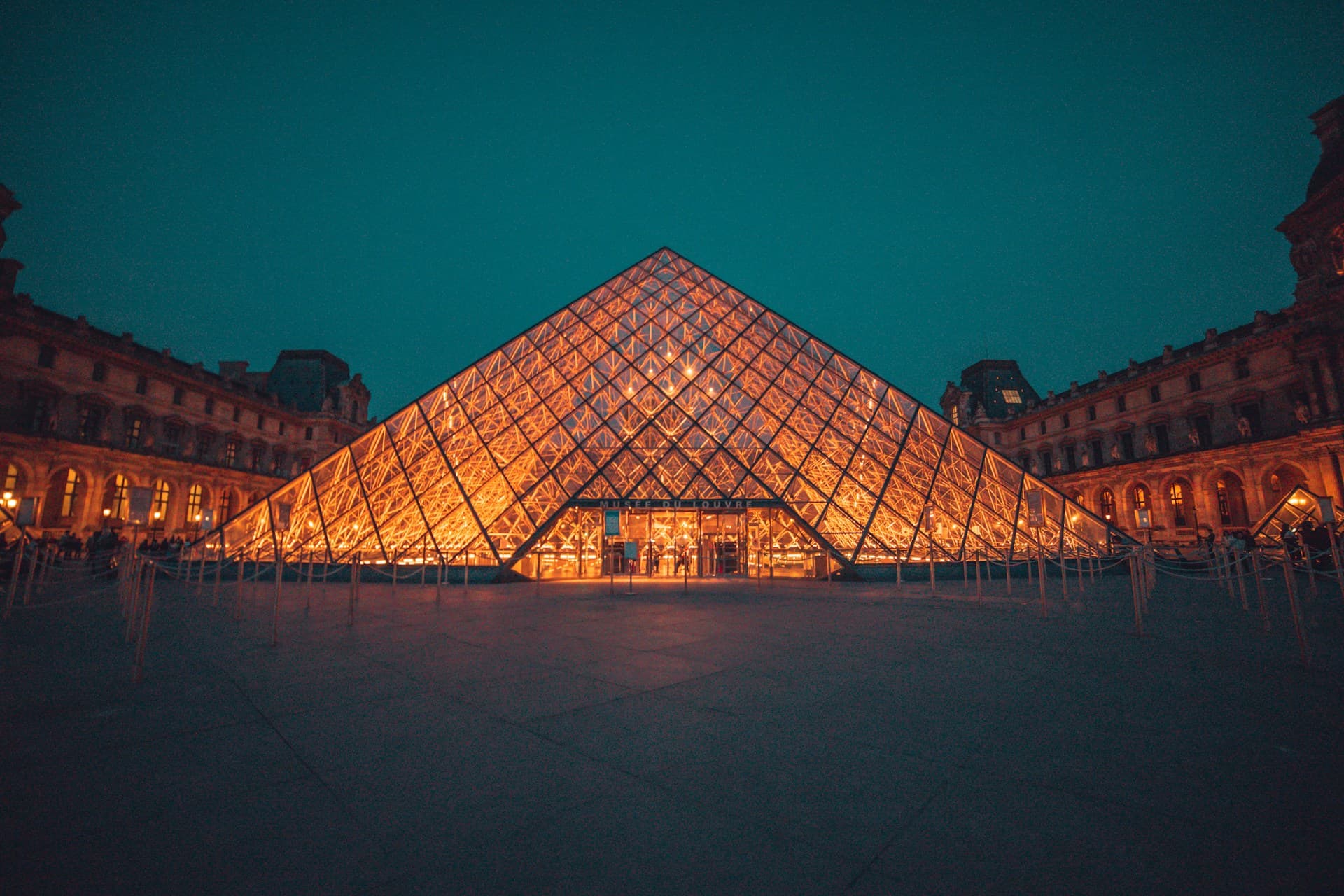
Disclosure: This guide contains affiliate links. If you purchase through our links, we may earn a small commission at no extra cost to you.
Paris is probably the most written-about city in the world, and most of what's written about it is either cliché or outdated. So let me start with what actually surprised me: Paris is quieter than you expect. The side streets are genuinely peaceful. The parks feel like they belong to a much smaller city. And the food — even at unremarkable neighborhood restaurants — is better than you've been told.
My wife and I first visited Paris on our honeymoon in January 2023. We returned in May 2026 to celebrate my dad's 70th birthday — a multi-generational trip that forced us to think about Paris differently. What works for a couple on a honeymoon isn't always what works when you're navigating the city with parents who've never been. This guide covers both perspectives.
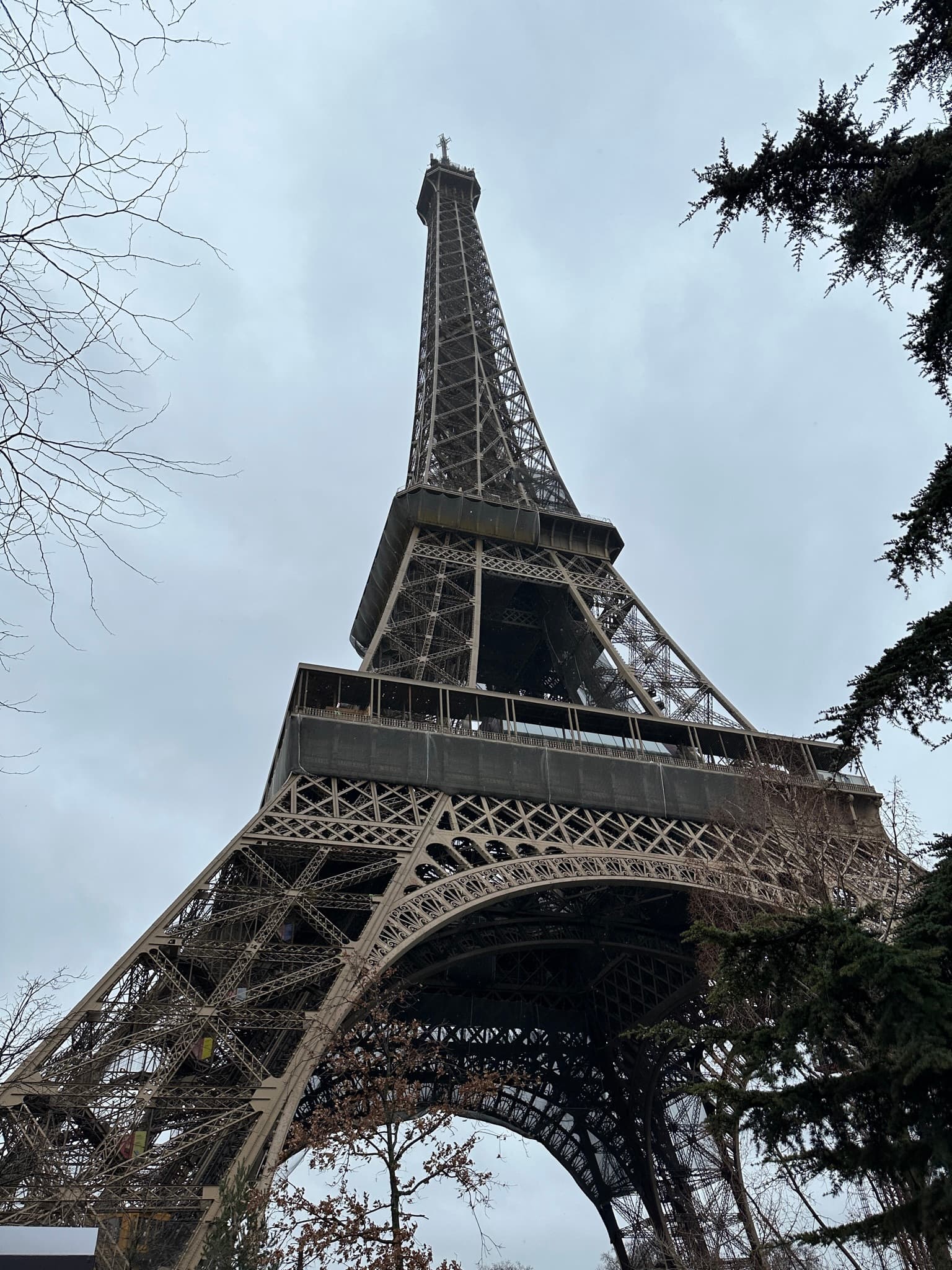
1. Eiffel Tower
Yes, it's the obvious first entry. And yes, you should still go. The Eiffel Tower is one of those rare landmarks that genuinely delivers on the hype — it's bigger, more intricate, and more beautiful in person than any photo suggests.
The best experience is visiting at night. The tower sparkles with 20,000 lights for 5 minutes at the top of every hour after sunset — it's one of those travel moments you remember forever. We booked 2nd floor lift tickets for 9:30 PM and the view of Paris lit up at night was worth every euro.
Planning your visit:
- Book tickets on the official tour-eiffel.fr website as early as possible. Summit and evening slots sell out weeks ahead.
- 2nd floor lift tickets (€18.80 adults) offer the best balance of view and accessibility. The summit (€29.40) adds height but the 2nd floor view is already extraordinary.
- If official tickets are sold out, the stair option to the 2nd floor (€11.80) is almost always available and the climb takes about 30 minutes.
- Jardins du Trocadéro across the river is the classic photo spot — wide plaza with the tower framed perfectly. Go early morning or at sunset to avoid the worst crowds.
- Evening visits (after 9 PM) are less crowded than daytime and the sparkling light show is unmissable.
Tip:For the best Eiffel Tower photos without being at the tower, walk to Pont de Bir-Hakeim — the steel bridge with the elevated Métro line creates one of the most cinematic Paris views. It's also far less crowded than Trocadéro.
2. Notre Dame Cathedral
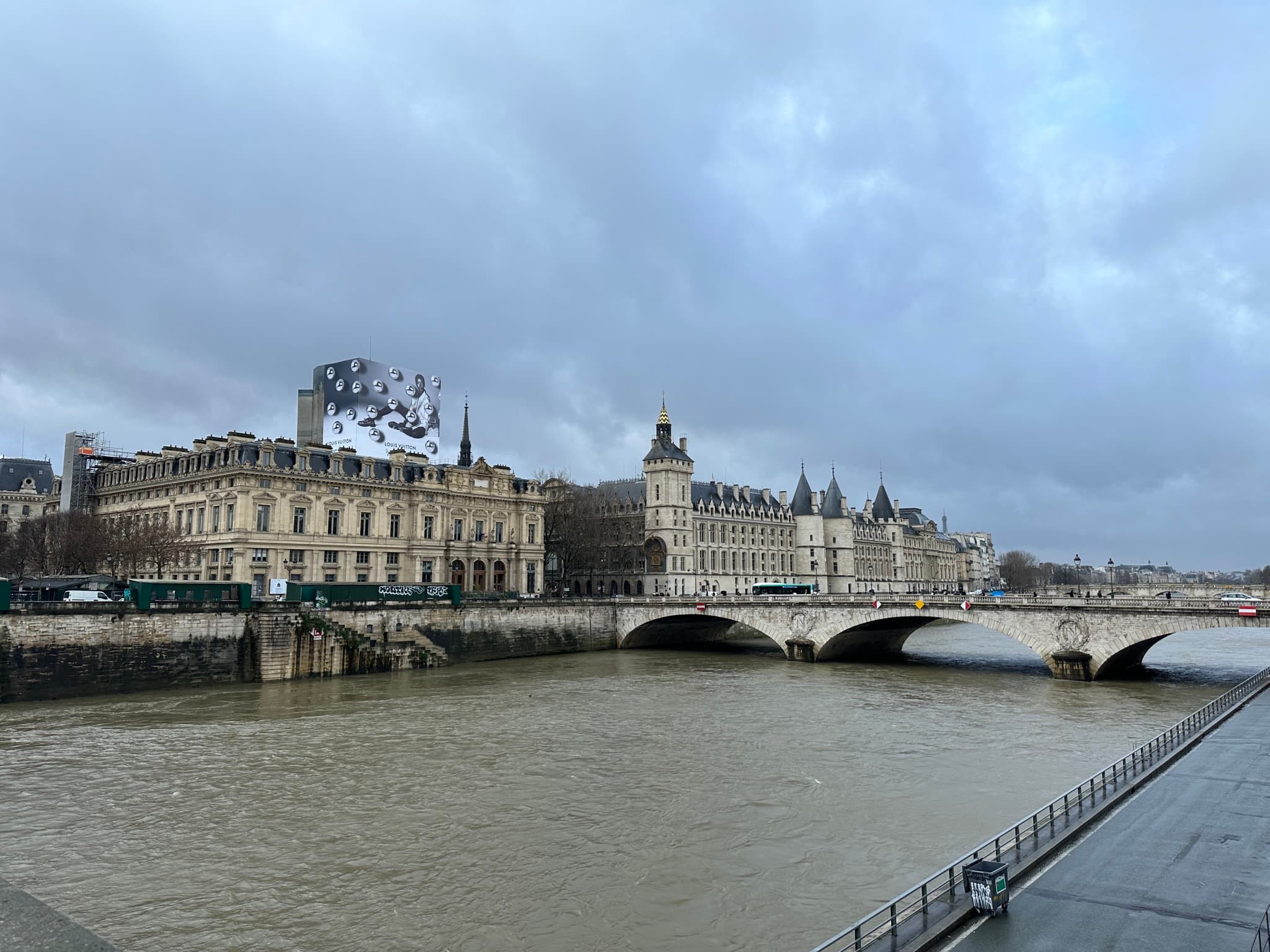
Notre Dame reopened in December 2024 after a painstaking five-year restoration following the devastating April 2019 fire. The restored cathedral is, by all accounts, more beautiful than before — new lighting reveals details in the stone and stained glass that centuries of soot had obscured.
Entry is free, but you need a timed-entry reservation. Check the official website — reservations open 2 days in advance. This is important: you cannot walk up without a reservation, and popular time slots fill quickly.
What to see:
- The restored interior — new lighting illuminates the medieval stone and stained glass in ways never seen before the fire.
- The rose windows — three massive stained glass windows from the 13th century, miraculously undamaged by the fire.
- The exterior flying buttresses — walk around the back of the cathedral for the most dramatic Gothic architecture.
- Île de la Cité — Notre Dame sits on this island in the Seine, and the surrounding streets are some of the oldest in Paris.
3. Sainte-Chapelle
If you only visit one church in Paris, make it Sainte-Chapelle — not Notre Dame. I realize that's a bold claim, but hear me out: Sainte-Chapelle has the most extraordinary stained glass you will ever see. Floor-to-ceiling panels of 13th-century glass in the upper chapel, 15 meters tall, telling 1,113 biblical scenes in light and color. When the sun hits those windows, the entire room glows.
It's a 5-minute walk from Notre Dame on the same island (Île de la Cité), so do both on the same morning. Book tickets online — the line for walk-ups can be 45+ minutes. Inside, the visit takes about 30–40 minutes.
Practical info:
- Tickets are €11.50 online. Combo tickets with the Conciergerie (Marie Antoinette's prison, next door) are €18.50.
- Visit on a sunny day if you can — the stained glass effect depends entirely on natural light. Overcast days are flat by comparison.
- Book a midday time slot (11 AM–2 PM) when the sun is highest and light streams through the south-facing windows.
- The lower chapel is dark and somewhat unremarkable — the upper chapel is the entire point. Climb the narrow spiral staircase.
4. Seine River Cruise
A Seine cruise is to Paris what a canal cruise is to Amsterdam — the single best way to orient yourself to the city. In one hour, you pass Notre Dame, the Louvre, Musée d'Orsay, the Eiffel Tower, and dozens of bridges, each with its own story.
We booked a 1-hour guided cruise for the afternoon — it was the perfect low-energy activity after a morning of walking, and the commentary adds context you won't get on foot. Especially good for older parents or anyone who needs a break from cobblestones.
Cruise tips:
- Standard cruises run €15–18 and depart every 30 minutes from multiple points along the Seine (most near the Eiffel Tower or Notre Dame).
- Bateaux Mouches and Vedettes du Pont Neuf are the two main operators. Both are good — Vedettes has smaller boats which feel more intimate.
- Sunset cruises (departing around 7–8 PM in spring/summer) are the most popular for good reason — the light on the buildings is extraordinary.
- Dinner cruises exist but are expensive (€80–150/person) and the food is usually mediocre. A regular cruise + dinner at a restaurant is better value.
5. Book a Guided Tour
Paris has 2,000 years of history layered into every neighborhood. A good guide transforms a walk past old buildings into understanding why those buildings look the way they do — the Haussmann renovations, the Revolution, the Nazi occupation, the student protests of 1968. Without context, you're just looking at pretty stone.
Skip-the-line museum tours are especially valuable for the Louvre, where the collection is so vast that a guide helps you focus on the highlights without burning 4 hours. Walking tours through Le Marais, Montmartre, or the Latin Quarter are also excellent — they cover ground you'd never find on your own and last 2–3 hours.
Klook
Paris Activities on Klook — 5% Off
Tickets, passes, and transfers. Use code TPKLOOKTA5 for 5% off through June 30.
Viator
Paris Tours on Viator
Skip-the-line Louvre, Eiffel Tower, Seine cruises, Versailles day trips.
GetYourGuide
Paris Tours on GetYourGuide
Walking tours, museum tickets, Montmartre, and cooking classes.
6. The Louvre
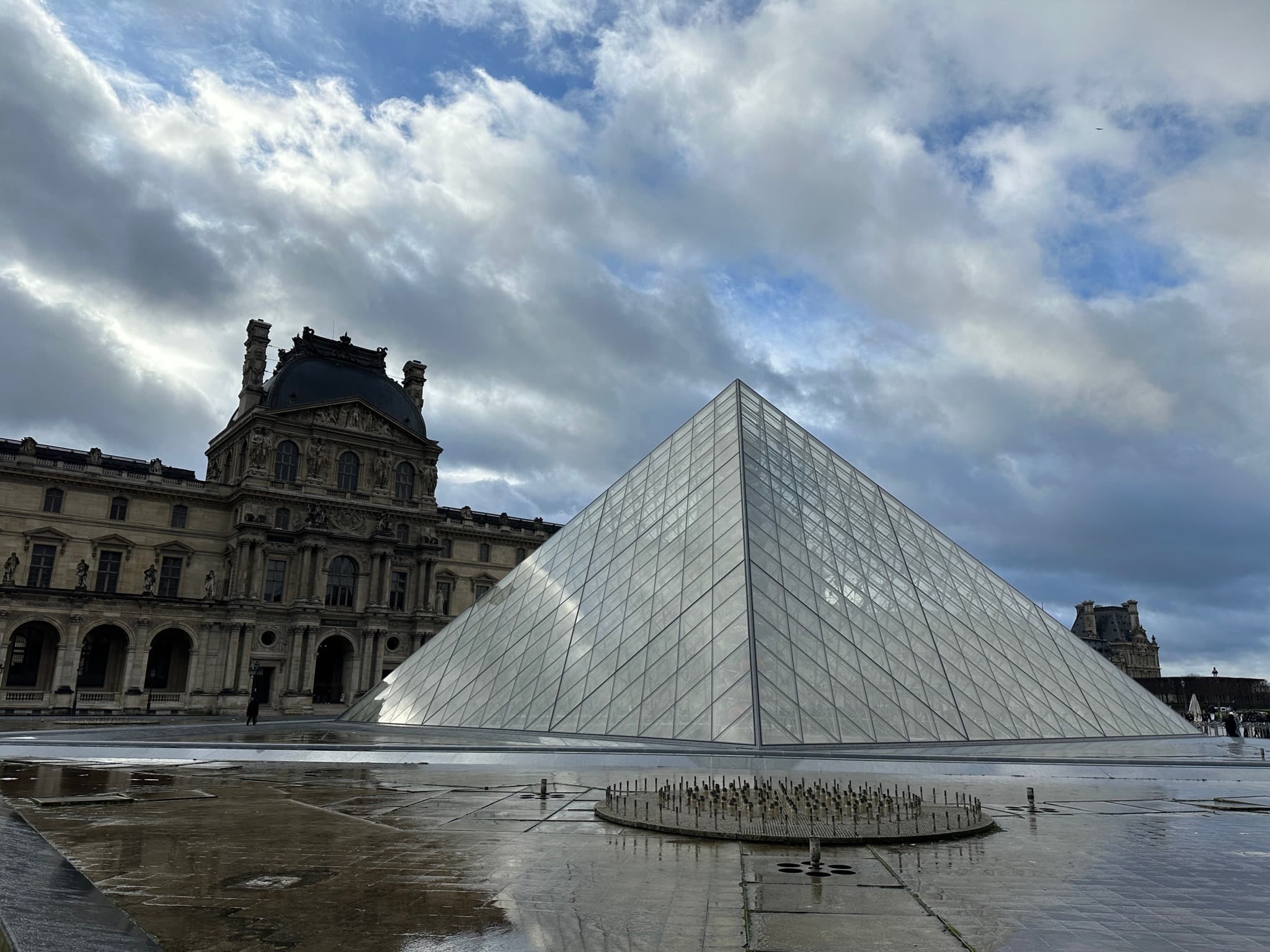
The Louvre is the world's largest art museum — 380,000 objects across 72,735 square meters. You cannot see it all in one visit, and you shouldn't try. The goal is to see the things you care about, enjoy the building itself (it's a former royal palace), and leave before museum fatigue sets in.
We booked 10:00 AM entry and spent about 3 hours. That was enough to see the Mona Lisa (smaller than you expect, more crowded than you imagine), the Winged Victory of Samothrace (far more impressive than the Mona Lisa), the Venus de Milo, and the Napoleon III Apartments.
Louvre strategy:
- Tickets are €22 online, free for under-18s and EU residents under 26. Book timed-entry tickets — walk-up queues are brutal.
- Enter through the Passage Richelieu entrance (requires timed ticket) instead of the Pyramid — it's far less crowded.
- See the Winged Victory of Samothrace first (top of the Daru staircase). It's the most dramatic sculpture in the building and often less mobbed than the Mona Lisa.
- The Mona Lisa is in the Salle des États. Go early or late — midday is a wall of selfie sticks. The painting directly opposite (Veronese's Wedding at Cana) is arguably more impressive.
- The museum is closed on Tuesdays. Wednesday and Friday evenings (until 9:45 PM) are the least crowded times to visit.
7. Arc de Triomphe & Champs-Élysées
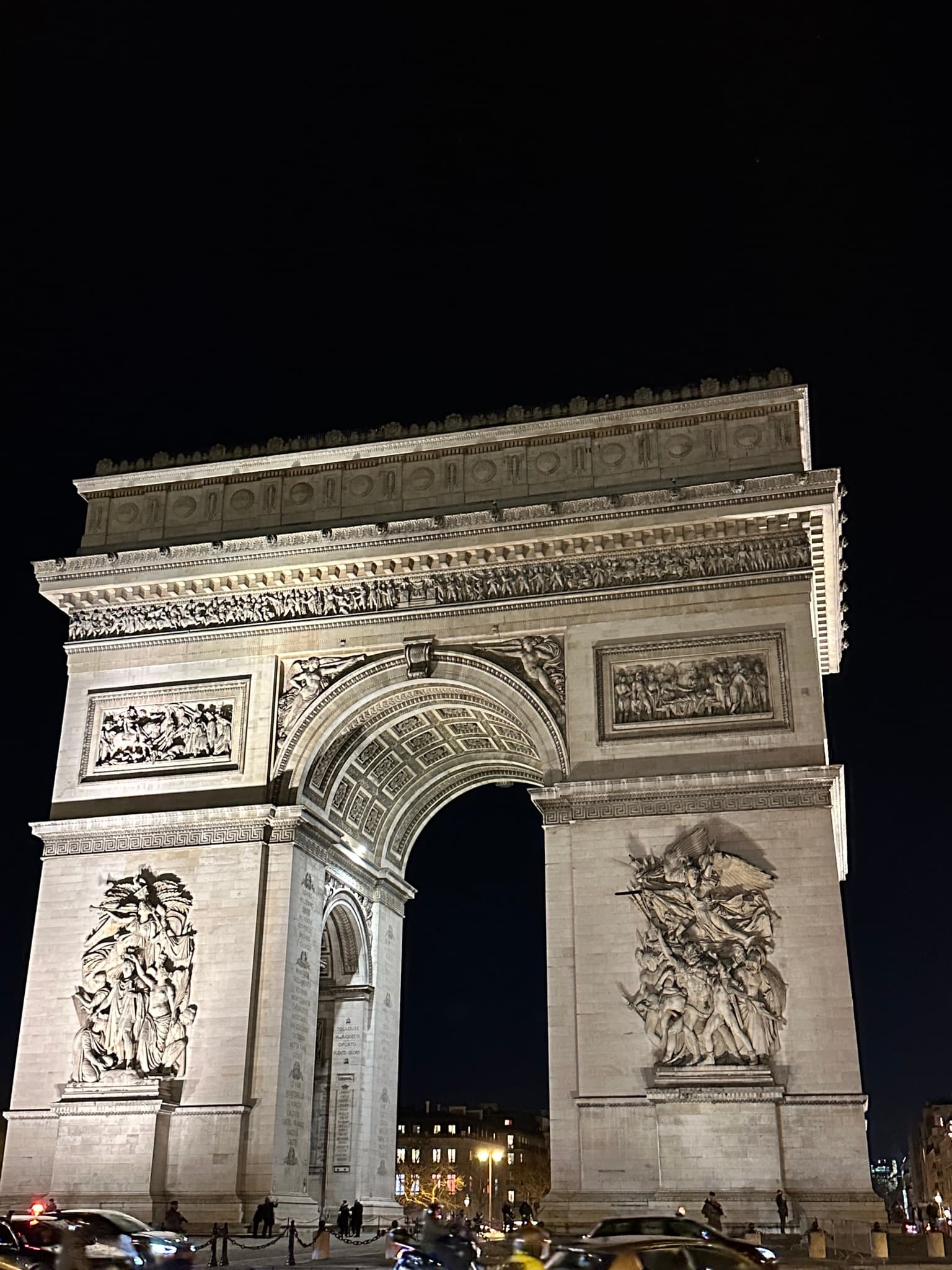
The Arc de Triomphe sits at the top of the Champs-Élysées — a monument to Napoleon's military victories that also houses the Tomb of the Unknown Soldier from World War I. The rooftop terrace offers a 360-degree view of Paris with the twelve avenues radiating out from the roundabout below.
Tips:
- Rooftop tickets are €16 (free for under-18s). Access is via an underground tunnel from the Champs-Élysées — do NOT try to cross the roundabout on foot.
- The view from the top is arguably better than the Eiffel Tower's — you can see the Tower itself, La Défense, Sacré-Cœur, and the full length of the Champs-Élysées.
- The Champs-Élysées itself is mostly luxury flagship stores and fast food chains. Walk it once for the experience, but don't plan to linger — the side streets are more interesting.
- Maison Goyard (233 Rue Saint-Honoré, a short walk from the Champs-Élysées) is worth a look — one of the oldest trunk-makers in Paris, with hand-painted luggage and bags.
8. Neighborhood Walks
Paris is a city of neighborhoods, and the best ones reward aimless walking. Put your phone in your pocket and follow whatever street looks interesting — you will find a boulangerie, a hidden courtyard, or a perfect café within five minutes.
Rue Saint-Dominique & Rue de l'Université (7th arr.)
Two parallel streets in the shadow of the Eiffel Tower that feel nothing like a tourist area. Rue Saint-Dominique has excellent boulangeries, chocolate shops, and bistros. Rue de l'Université is quieter — residential Parisian life at its most picturesque. Walk both after visiting the Eiffel Tower for a taste of everyday Paris.
Le Marais (3rd–4th arr.)
The historic Jewish quarter and now one of Paris's trendiest neighborhoods. Narrow medieval streets, independent boutiques, falafel on Rue des Rosiers, Place des Vosges (the oldest planned square in Paris), and the Picasso Museum. This is where locals go on Sundays when much of Paris is closed.
Montmartre (18th arr.)
The hilltop village that feels separate from the rest of Paris. Sacré-Cœur basilica at the summit has panoramic views of the city. The streets below — especially Place du Tertre and the vineyard — are touristy but atmospheric. Come early morning before the portrait artists and tour groups arrive.
Jardin du Luxembourg (6th arr.)
The most beautiful park in Paris. Formal French gardens, a palace, a pond with model sailboats, and the city's best people-watching from green metal chairs scattered under the chestnut trees. Free entry. Nearby, the Panthéon (€11.50) has an impressive interior and Foucault's original pendulum.
Food & Drink in Paris
Eating in Paris is not difficult — eating well is almost unavoidable if you stay away from the tourist traps around major landmarks. The rules are simple: avoid any restaurant with photos on the menu, eat where the French eat, and never skip the boulangerie.
Boulangeries
A good Parisian boulangerie is the best cheap meal in the city. A fresh baguette costs €1.20, a pain au chocolat is €1.50, and a jambon-beurre (ham and butter on baguette) is €4–5. Eat standing on the street like a local. Every neighborhood has several — just follow the smell.
Bistros
A traditional French bistro is the mid-range sweet spot. Prix fixe lunch menus (entrée + plat or plat + dessert) run €15–22 and are substantially cheaper than dinner. Look for handwritten menus and small dining rooms with zinc bars.
Wine
A glass of house wine at a bistro costs €4–7. France's wine culture means even the cheapest option is usually good. Order 'un verre de rouge' (a glass of red) or 'un pichet' (a small carafe to share). Wine bars in Le Marais and Saint-Germain-des-Prés are excellent for tasting.
Café culture
Coffee at the bar (comptoir) costs €1.50–2. The same coffee at an outdoor terrace table costs €4–6. Parisians sit for hours — there's no pressure to leave. Order an espresso (just say 'un café') or a café crème (closest to a latte). Avoid 'American coffee' unless you specifically want watered-down espresso.
Crêpes
Street crêpes (galettes for savory, crêpes sucrées for sweet) are everywhere and run €4–8. Rue Montorgueil in the 2nd arrondissement has several good crêperies alongside cheese shops, butchers, and produce stalls.
10. Day Trips from Paris
France's high-speed train network makes several world-class day trips possible from Paris. Versailles is the most popular and deserves its reputation.
Versailles
The palace of Louis XIV, 30 minutes by RER C train. The Hall of Mirrors alone is worth the trip. Book timed-entry tickets online (€21) — the walk-up queue can be 2+ hours in peak season. The gardens are free (except on fountain show days, €10 extra). Allow a full day.
Giverny
Claude Monet's house and gardens — the actual water lily pond he painted. Open April–October. About 75 minutes by train (Gare Saint-Lazare to Vernon, then shuttle bus). Go early to see the gardens before the crowds. Half-day trip.
Mont Saint-Michel
The dramatic island monastery in Normandy. About 3.5 hours by TGV + shuttle, so it's a long day but unforgettable. High-speed trains from Gare Montparnasse run to Rennes or Dol-de-Bretagne, then a shuttle bus to the island.
Champagne region (Reims/Épernay)
Reims is 45 minutes by TGV. Visit the cathedral where French kings were crowned, then tour the champagne cellars (Veuve Clicquot, Taittinger, Ruinart). Guided tours with tastings run €20–40. Excellent half-day or full-day trip.
11. Disneyland Paris
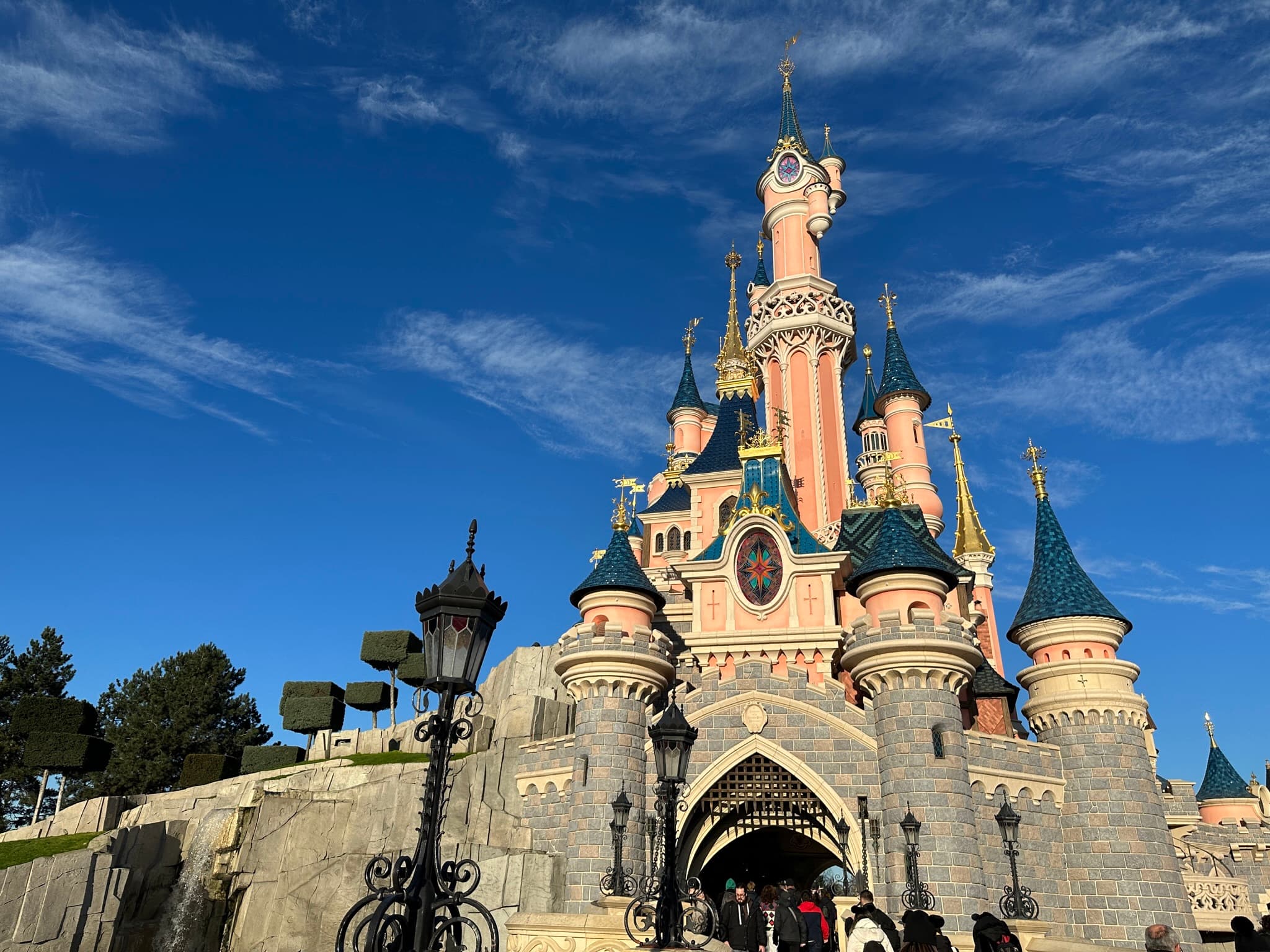
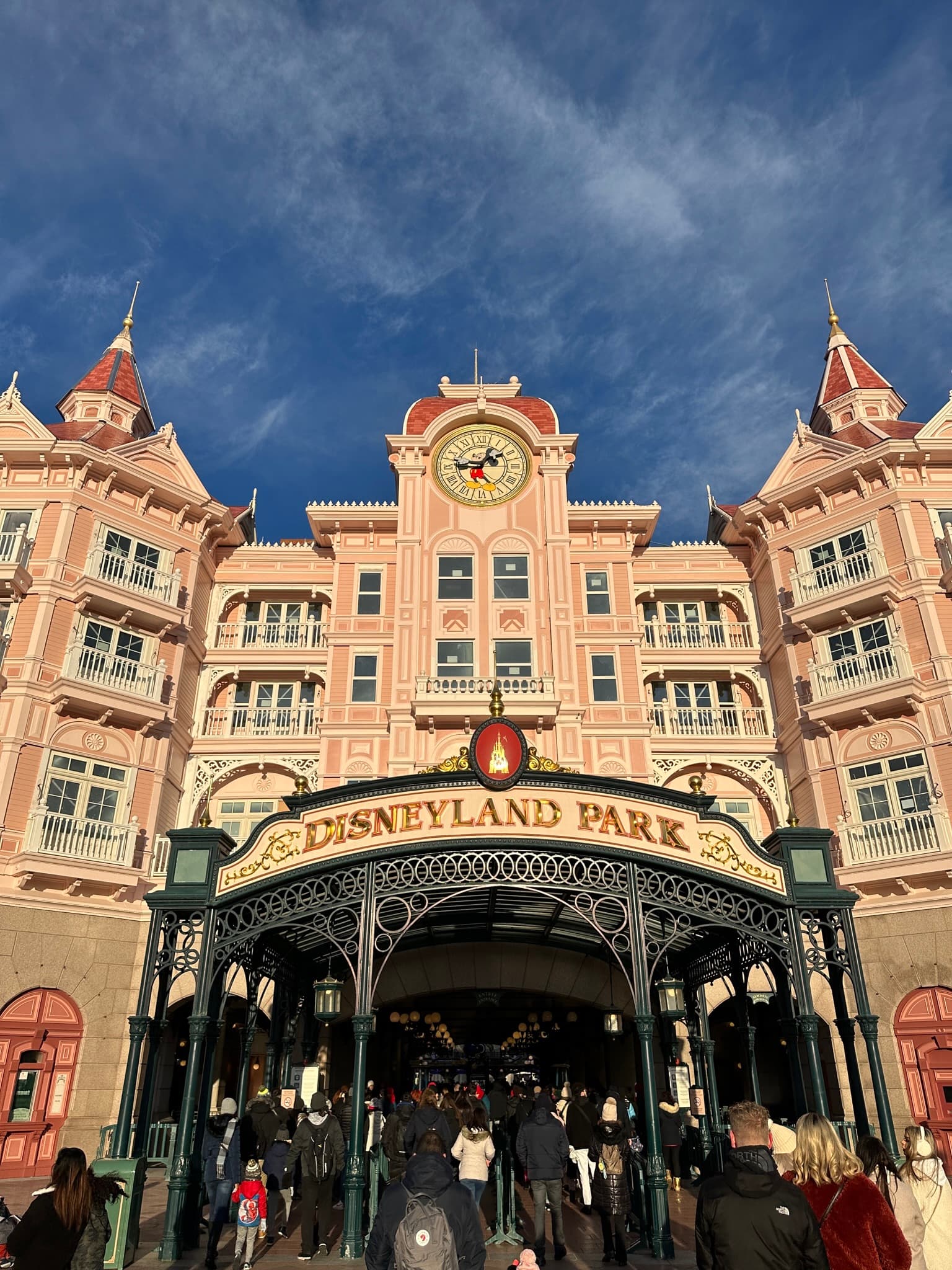
Disneyland Paris is about 40 minutes east of central Paris by RER A train. It's often dismissed as "not as good as the US parks," but that sells it short. The Sleeping Beauty Castle is arguably the most beautiful of any Disney park, and the French theming on rides like Ratatouille and Phantom Manor gives it a character distinct from Orlando or Anaheim.
There are now two parks: Disneyland Park (the classic) and Disney Adventure World (formerly Walt Disney Studios Park, recently expanded with a massive Frozen-themed land and new attractions). We're dedicating a full day to each on our May trip — one park per day is the right pace to avoid burnout.
Practical info:
- Tickets start around €56/day for one park, €81/day for park hopper. Book online in advance — gate prices are higher.
- RER A from central Paris to Marne-la-Vallée/Chessy takes about 40 minutes. Trains run every 10–15 minutes. Use your Navigo pass or buy a separate ticket (~€8 each way).
- Weekdays (Tuesday–Thursday) are significantly less crowded than weekends. School holidays (French and British) create the biggest crowds.
- Disney Premier Access (€8–15 per ride) lets you skip the queue on popular attractions. Worth it for Crush's Coaster and Ratatouille.
Getting Around Paris
Paris has one of the best public transit systems in the world. The Métro alone has 16 lines and 308 stations — you're never more than 500 meters from a stop.
Métro
The backbone of Paris transit. A single ticket (t+) costs €2.15, or buy a carnet of 10 for €17.35. The Navigo Easy card (€2 for the card, load tickets on it) makes tapping in seamless. Lines 1 and 14 are driverless and run frequently. The Métro runs from 5:30 AM to 1:15 AM (2:15 AM on weekends).
Walking
Paris is surprisingly walkable — the entire city center is about 10 km across. Walking from the Eiffel Tower to Notre Dame takes about 45 minutes and passes some of the city's best streets. Wear comfortable shoes — the cobblestones and stairs are relentless.
RER
Regional express trains that connect central Paris to the suburbs and airports. RER B goes to CDG Airport (35 min), RER A goes to Disneyland (40 min), RER C goes to Versailles (30 min). Same ticket as Métro within central Paris zones.
Airport transfers
RER B from CDG is cheapest (€11.80, 35 min). Taxis have flat rates: €55 Right Bank, €62 Left Bank. Private transfers (Blacklane, Viator) run €70–100 but remove the stress of navigating luggage on trains — worth it if you're arriving jet-lagged or traveling with older family members.
Our approach:After a long-haul flight, the last thing you want is to figure out train connections with luggage. We book a private airport transfer for every international trip now — the driver meets you at arrivals and you're at your hotel in 45 minutes with zero stress. It costs more than the RER, but after 8+ hours on a plane, the convenience is worth every cent.
When to Visit Paris
Having visited in both January and May, I can say with confidence: both are great, but they're completely different trips.
Spring (April–June)
The classic Paris season. Cherry blossoms in the Tuileries, warm café terraces, long daylight hours (sunset after 9 PM in June). This is when Paris looks like the postcards. May is ideal — warm but not hot, and the late-spring gardens are at their peak. Our May trip is specifically timed for this window.
Summer (July–August)
Hot (30°C+ is common), crowded, and expensive. Many Parisians leave for vacation in August, which means some neighborhood restaurants close but the tourist areas are packed. Paris Plages (beaches along the Seine) in July are fun. If you visit in summer, book everything early and stay hydrated.
Autumn (September–October)
Arguably the best-kept secret. Warm enough for outdoor dining, golden light on the Haussmann buildings, and noticeably fewer tourists than summer. Hotel prices drop. The Jardin du Luxembourg in autumn colors is reason enough to visit.
Winter (November–March)
Cold, sometimes rainy, and dark by 5 PM. But winter Paris has a charm that summer doesn't: cozy bistros, holiday markets in December, the Louvre almost to yourself on a Tuesday morning. Our honeymoon was in January and the city felt intimate and romantic in a way that summer crowds would have erased. Hotel prices are at their lowest.
Staying Connected in Paris
France has excellent 4G and growing 5G coverage across Paris and throughout the country. You'll want data for navigating the Métro (Google Maps is essential for route planning), translating restaurant menus, and looking up opening hours on the fly.
International roaming on US carriers runs $10–12/day, which adds up to $70–84 over a week in Paris. A travel eSIM for France starts at $2.99 for 1 GB over 7 days and can be set up before your flight.
Compare eSIM Plans for France
We've compared plans from Airalo, Holafly, Saily, and more — find the best data plan for your Paris trip.
Compare France eSIM PlansFrequently Asked Questions
▶How many days do you need in Paris?
Five days is ideal for a first visit. That gives you time for the major museums (Louvre, Musée d'Orsay), the Eiffel Tower, Notre Dame, Sainte-Chapelle, a Seine cruise, and enough breathing room to wander neighborhoods like Le Marais and Montmartre without feeling rushed. Three days works if you're focused, but you'll be making hard choices. A week lets you add day trips to Versailles or the Loire Valley.
▶Is Paris expensive?
Paris is one of Europe's priciest cities, but it's manageable with planning. Budget around €150–300 per day for a couple depending on style. Museum tickets run €13–22 each, a sit-down dinner averages €30–50 per person, and a coffee at a terrace café costs €3–5. You can save significantly by eating at boulangeries for lunch, visiting free attractions (Notre Dame exterior, parks, window shopping), and using the Métro instead of taxis.
▶Do I need to book the Eiffel Tower in advance?
Yes — tickets sell out weeks ahead, especially for summit access and evening time slots. Book on the official tour-eiffel.fr website as soon as your dates are confirmed. If tickets are sold out, you can still walk up to the 2nd floor via stairs (cheaper and often available), or book through a guided tour operator who has reserved allocations.
▶Is Notre Dame open after the fire?
Yes. Notre Dame reopened in December 2024 after a five-year restoration following the April 2019 fire. Entry is free but you need a timed-entry reservation. Check the official website — reservations open 2 days in advance. The restored interior is extraordinary, with new lighting that reveals details invisible before the renovation.
▶What is the best time to visit Paris?
April through June and September through October are the sweet spots — mild weather (15–25°C), long daylight hours, and the city at its most beautiful. Spring brings blooming gardens and café terraces reopening. Autumn has warm days, golden light, and thinner crowds than summer. July and August are hot and crowded (though many Parisians leave). Winter (November–February) is cold and sometimes rainy, but offers the lowest prices, holiday markets, and an atmospheric side of the city that most tourists miss entirely.
▶How do I get from CDG Airport to central Paris?
The RER B train is the most popular option — it runs every 10–15 minutes from CDG to central Paris stations (Gare du Nord, Châtelet-Les Halles, Saint-Michel) in about 35 minutes for €11.80. The Roissybus runs to Opéra for the same price. Taxis have a flat rate of €55 to the Right Bank or €62 to the Left Bank. Private transfers (Blacklane, Viator) cost €70–100 but eliminate the stress of navigating luggage on the RER.
▶Can I use my phone in Paris?
France has excellent 4G/5G coverage everywhere in Paris. Your US carrier's international roaming runs $10–12/day, which adds up over a week-long trip. A France eSIM with 1 GB for a week starts at $2.99 and can be activated before you leave home. You'll want data for navigating the Métro, translating menus, and finding restaurants.
▶Is the Paris Museum Pass worth it?
If you plan to visit 3+ museums in 2 days, yes. The Paris Museum Pass covers 60+ museums including the Louvre, Musée d'Orsay, Sainte-Chapelle, Arc de Triomphe rooftop, and Versailles. A 2-day pass costs €62, a 4-day pass €77. The biggest benefit is skip-the-line access at the Louvre and other popular museums — the time saved alone can justify the cost in peak season.